


La Grazia
 Watch the trailer
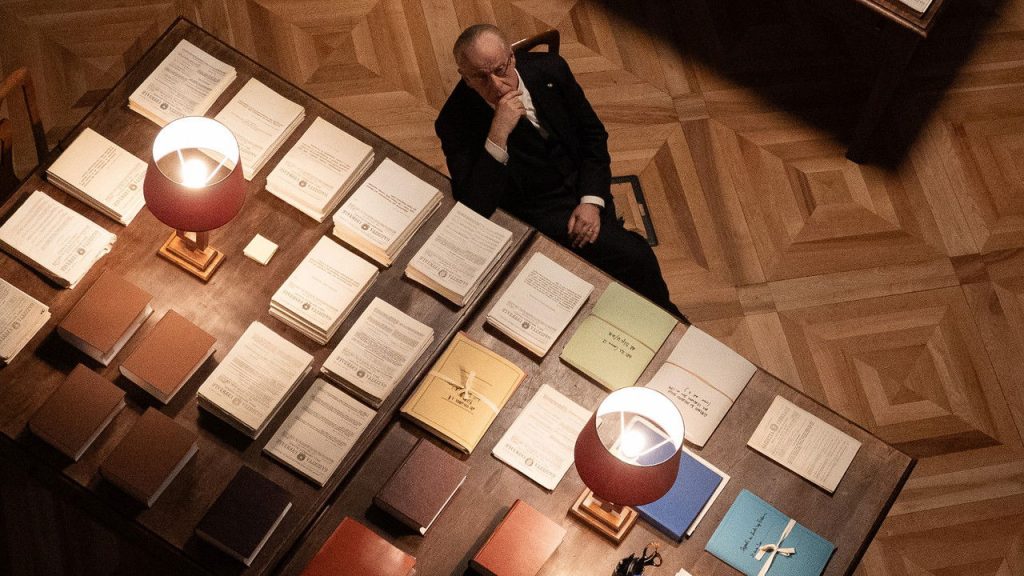
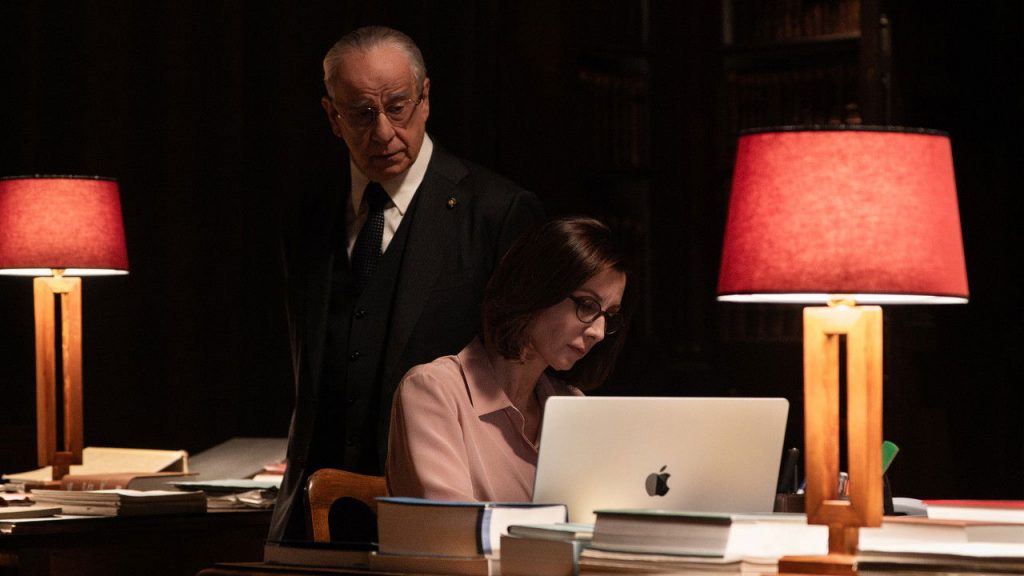
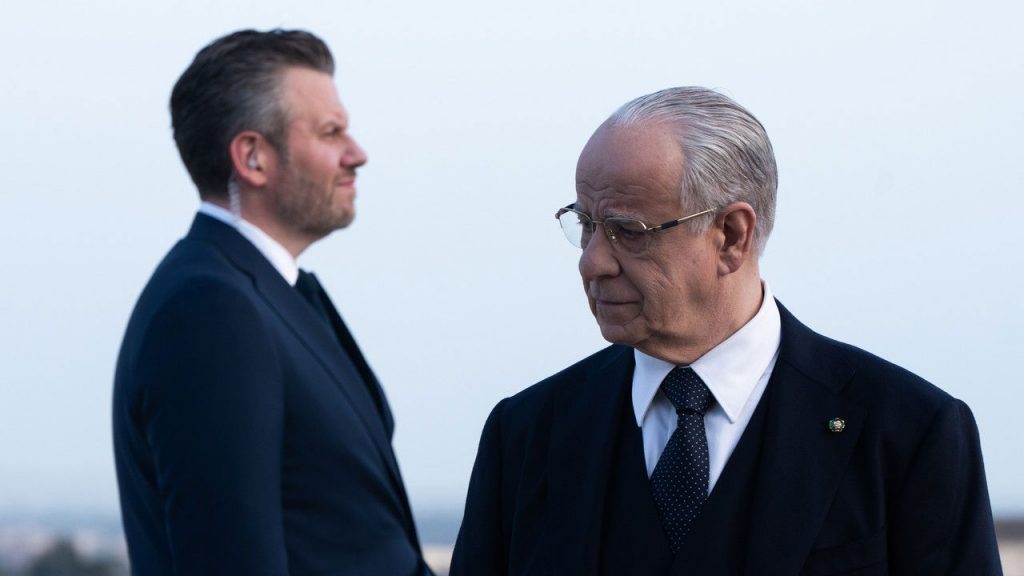
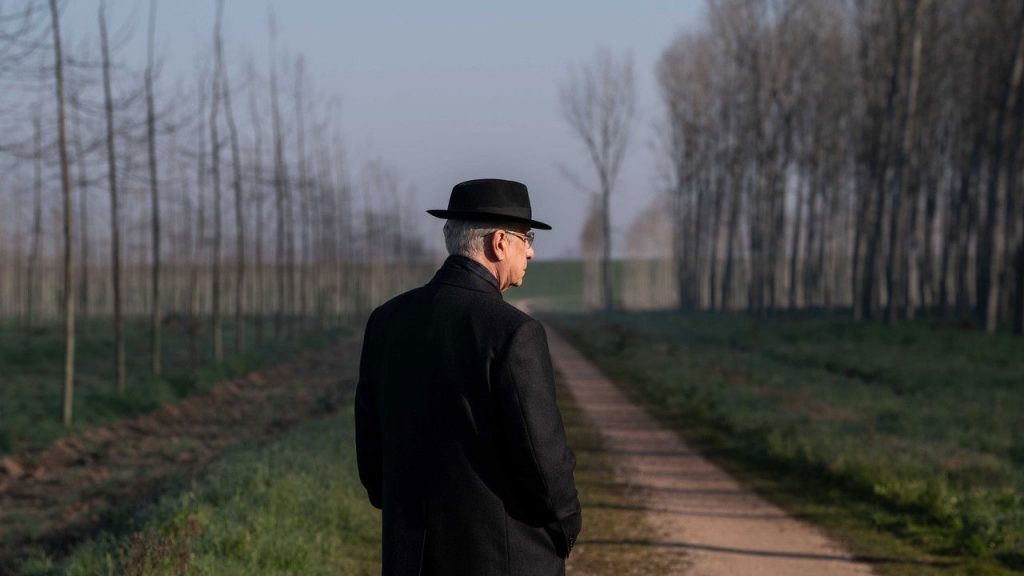
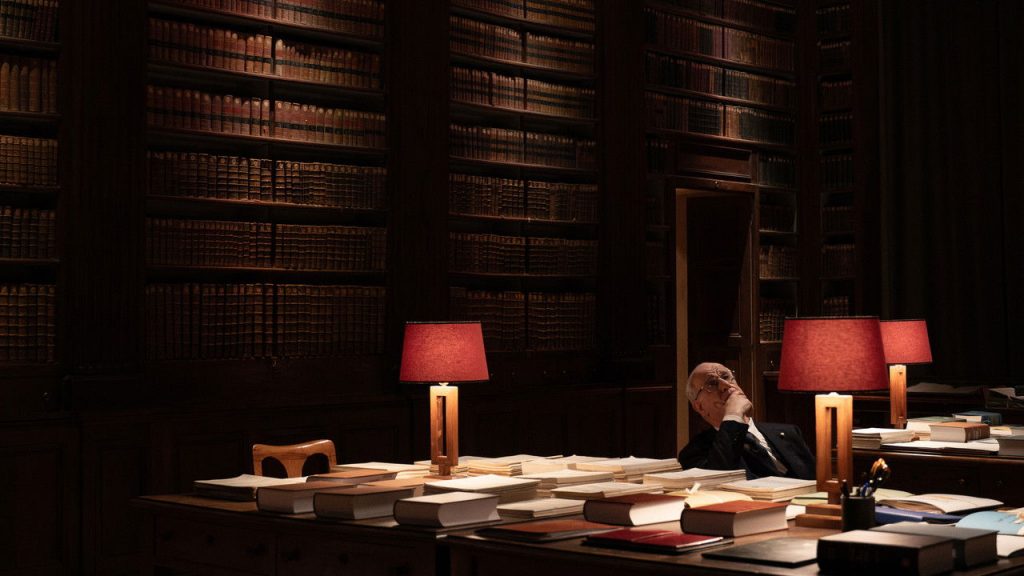
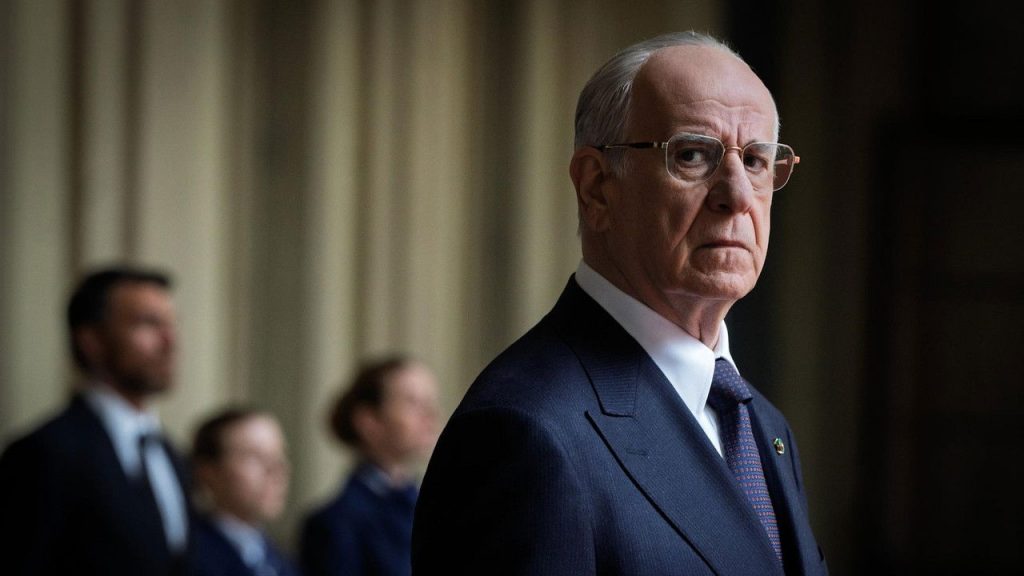
Mariano De Santis is the president of Italy, a career jurist and a convinced Catholic, who has reached the final six months of his term — the stretch in which an Italian president can no longer dissolve parliament, and little remains in his hands beyond his signature. Three decisions await him. One is a bill that would legalise euthanasia, which his own daughter, who is also his legal adviser, is pressing him to sign. The other two are clemency petitions, and they are each other's mirror image: a professor strangled his wife, who had Alzheimer's; a woman stabbed her husband after fifteen years of abuse. The same act, from opposite directions. And while he has to decide on these, a decades-old suspicion about his own late wife resurfaces — one he has never dared look at closely.
The film's starting point is real. Sorrentino began thinking about it after an actual presidential pardon: Sergio Mattarella granted clemency to a man convicted of killing his wife, who had Alzheimer's. The director has spoken openly about wanting to show what a politician ought to be like — a rare intention in European cinema today, and the reason the result is not satire. De Santis is neither a symbol nor a caricature: he is an old man who knows that this time the law will not supply his answer.
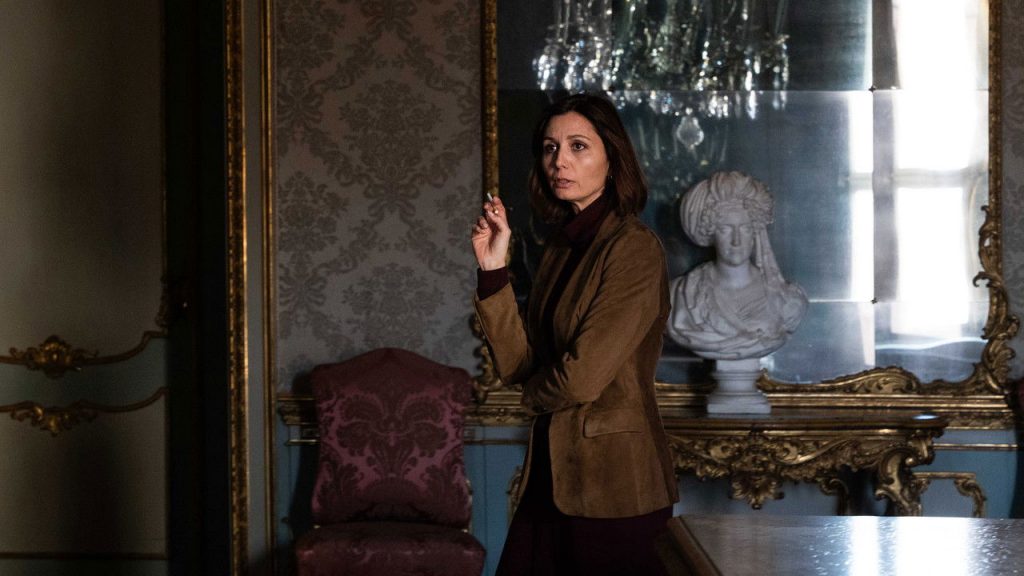
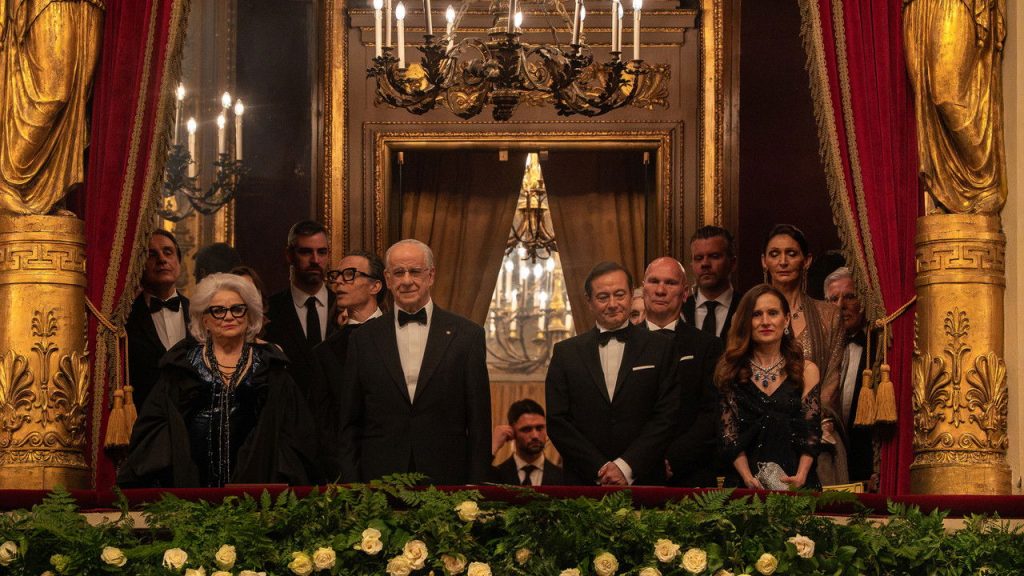
Toni Servillo takes the lead. He has been Sorrentino's regular collaborator and alter ego since the beginning, and this is their seventh film together. His daughter is played by Anna Ferzetti, the justice minister by Massimo Venturiello. Daria D'Antonio, who also shot The Hand of God, is the cinematographer, and Sorrentino has reined himself in here: no tableaux, no baroque processions, the camera stays close throughout. Most of the shooting took place in Turin — at the Castello del Valentino, Moncalieri Castle, outside the Egyptian Museum, and in a bowling alley.
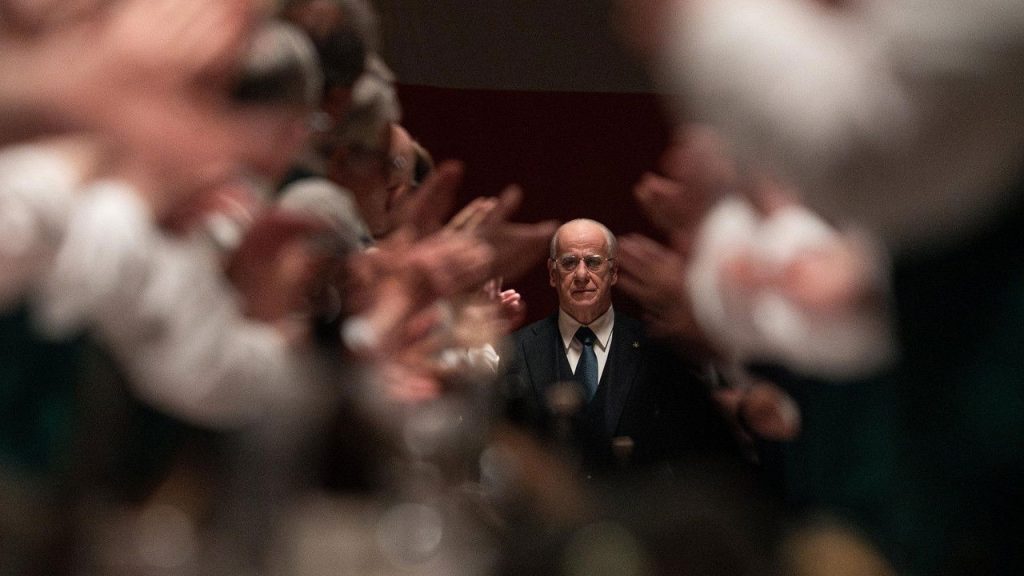
The film opened the 82nd Venice International Film Festival, where it received a four-minute standing ovation and Toni Servillo won the Volpi Cup for Best Actor. It was a substantial commercial success at home, taking eight and a half million dollars in Italy, and at the spring David di Donatello ceremony it was nominated in thirteen categories, including Best Film, Best Director and Best Screenplay. International critics concurred: eighty-seven per cent of reviews on Rotten Tomatoes are positive, and the most frequent observation is that Sorrentino is far more restrained here than usual — and that it suits him best.