

Meeting the Buddha
 Watch the trailer
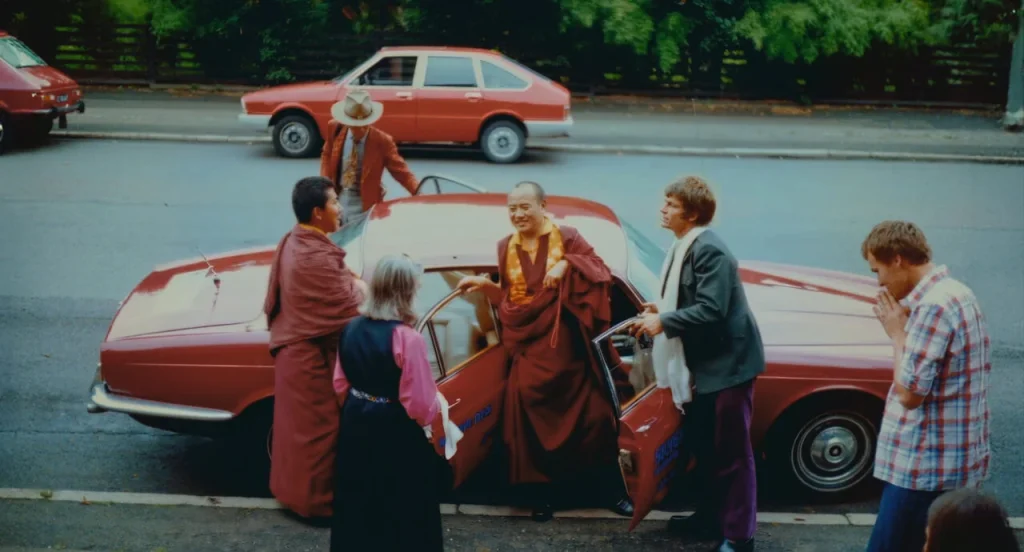
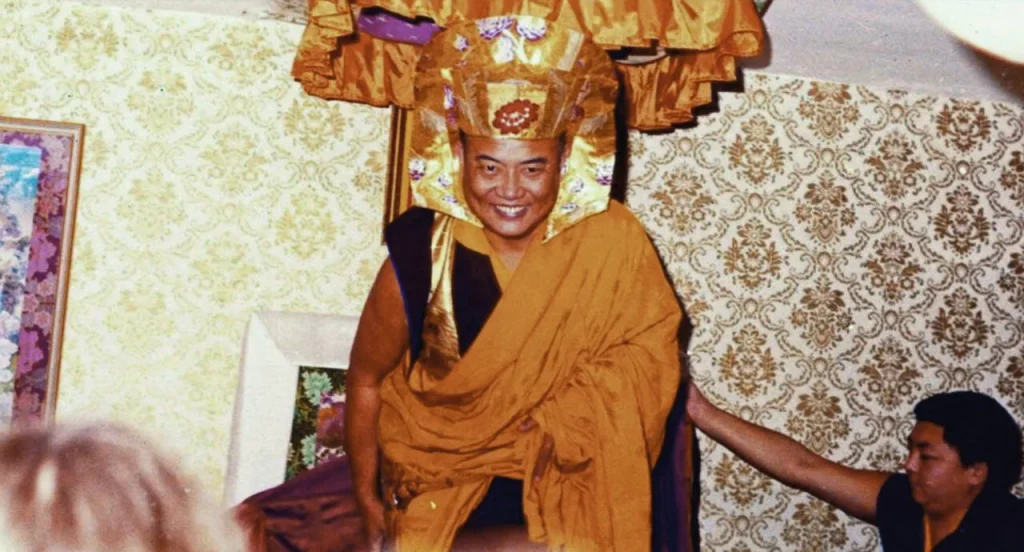
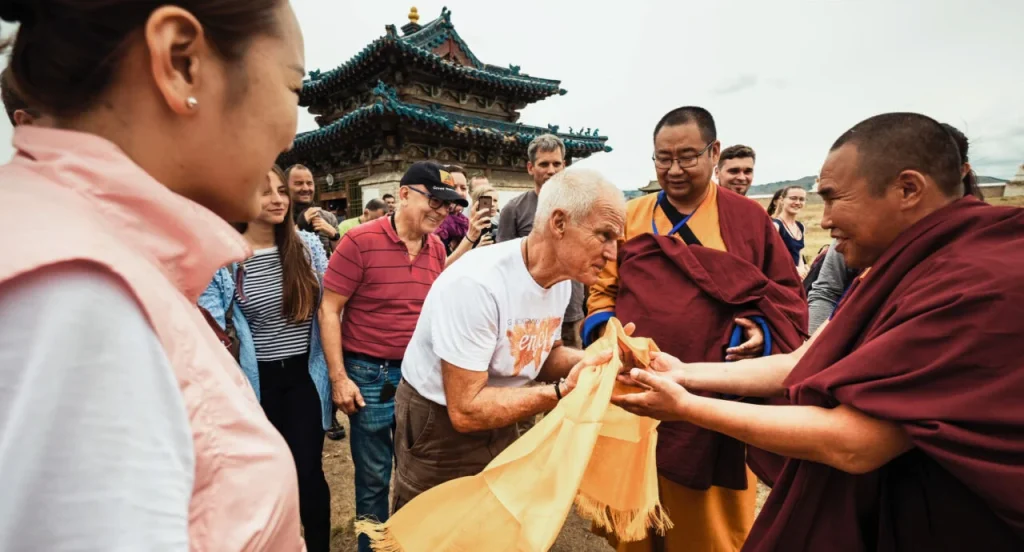
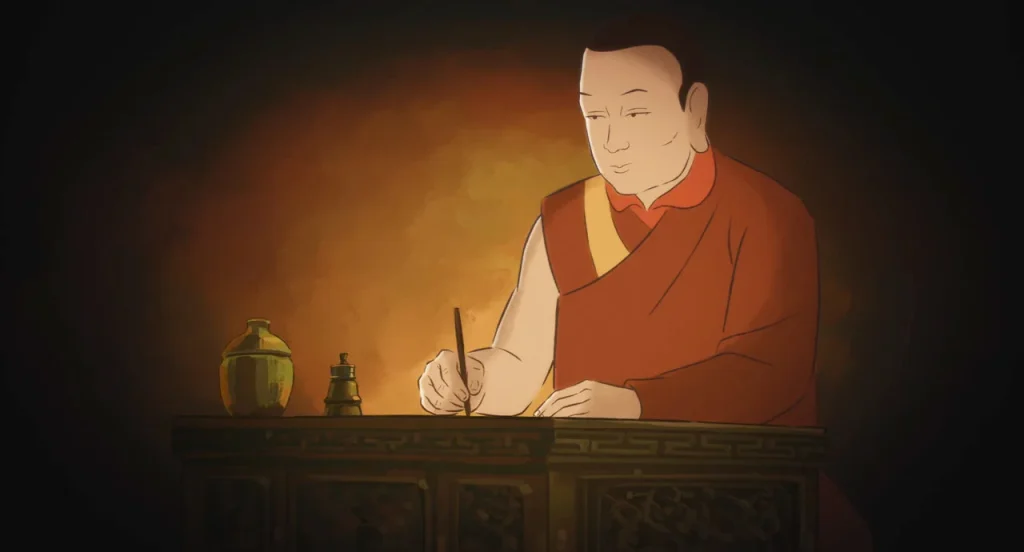
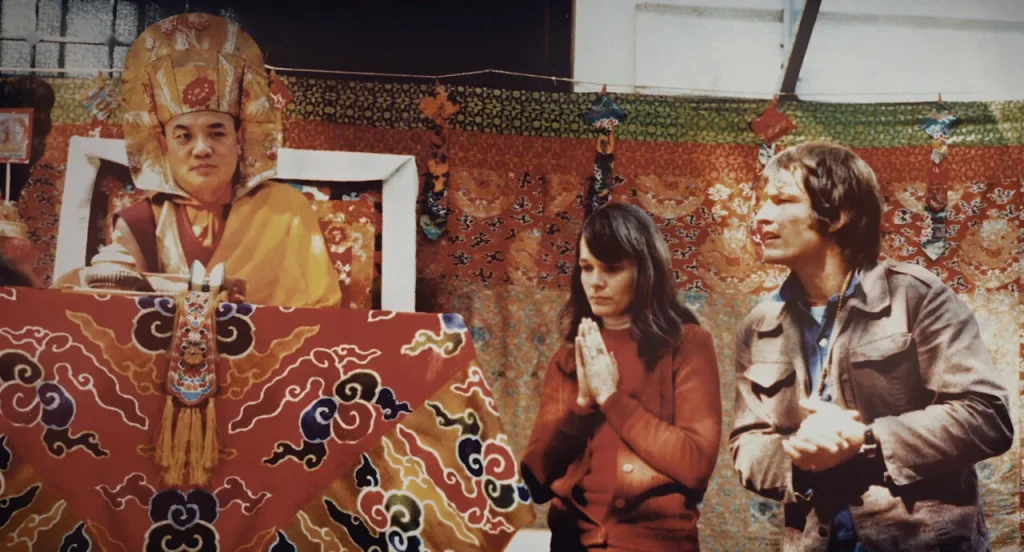
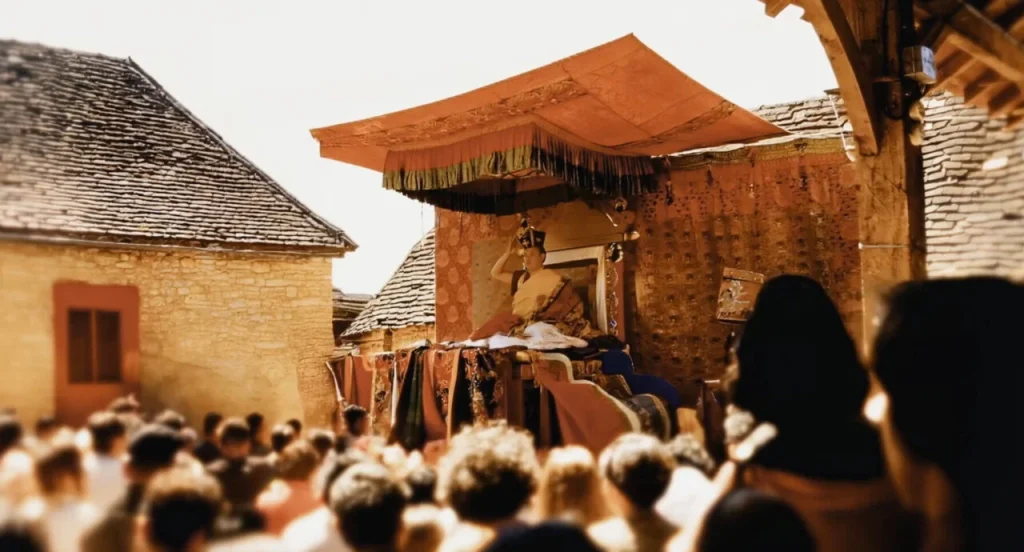
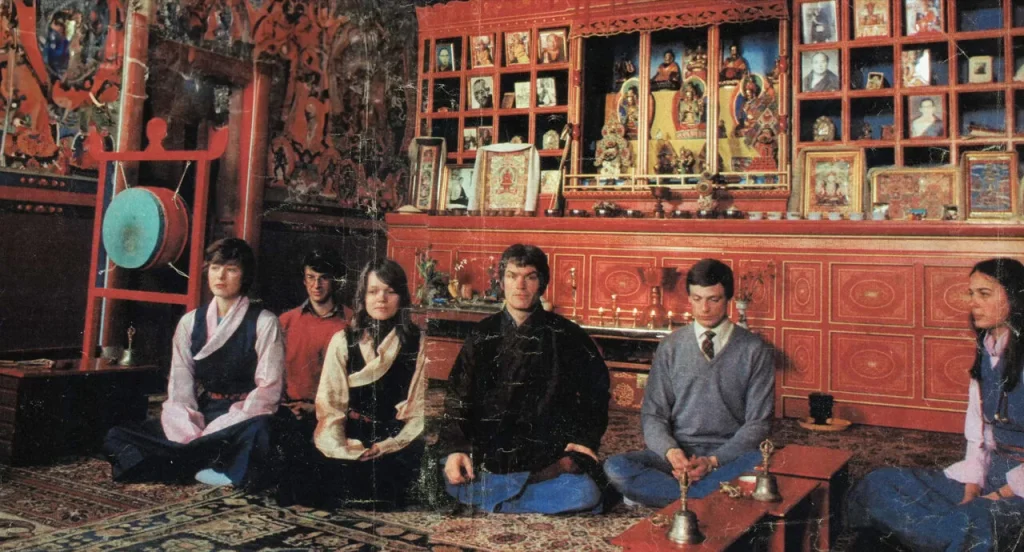
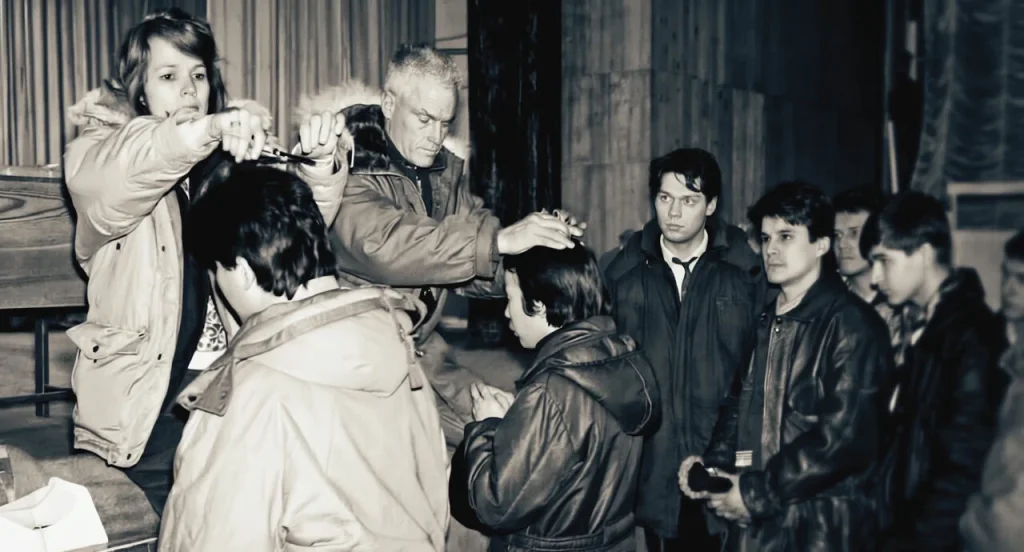
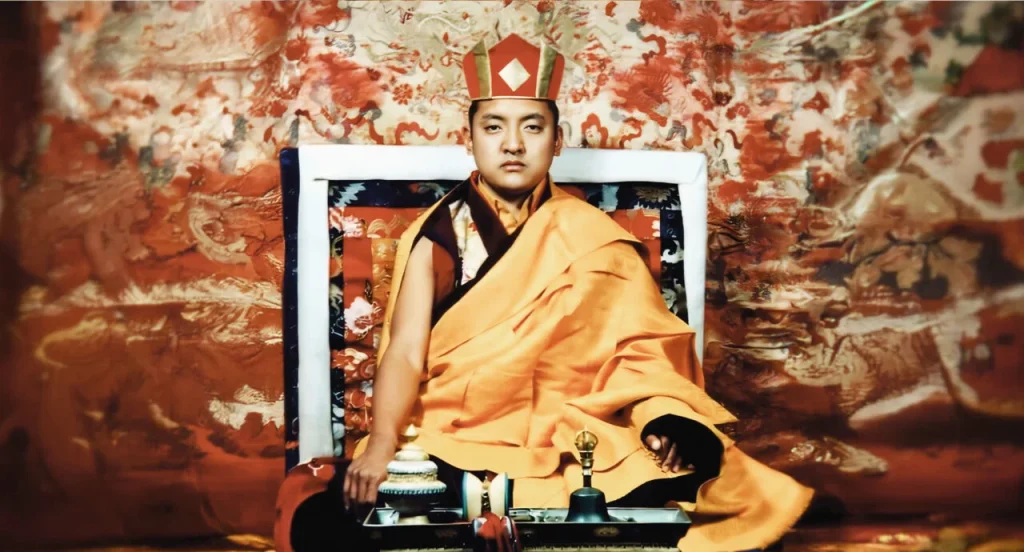
 Meeting the Buddha (Találkozás a Buddhával, 2025, 112 min) is Márta György-Kessler’s documentary portrait of the 16th Karmapa, Rangjung Rigpe Dorje — a Tibetan Buddhist leader revered by many followers as a “living Buddha” and the “King of Yogis.” But the film is equally about an extraordinary cultural encounter that helped reshape Western spirituality in the late twentieth century. In 1969, two young Danish hippies, Ole and Hannah Nydahl, travel to Nepal and meet the Karmapa — an experience that radically alters the course of their lives. Over the following decades, the couple become key figures in the spread of Tibetan Buddhism in the West, establishing hundreds of meditation centers from Mexico City to Vladivostok while carrying forward their teacher’s vision. The film becomes not only the portrait of a spiritual master, but also a record of the historical moment when Tibetan Buddhism intersected with the Western counterculture’s search for meaning, transcendence, and alternative ways of living.
György-Kessler’s documentary is built from archival footage, personal testimonies, and rarely seen materials gathered over several years of research and filming across multiple countries. One of the film’s greatest strengths is its intimacy: rather than attempting to “explain” Buddhism from the outside, it approaches the subject through the lived experiences of those whose lives were transformed by meeting the Karmapa. The pacing is intentionally contemplative, closer to meditation than conventional biography. The film lingers on faces, silences, landscapes, and rituals; Himalayan scenery, archival footage of early Western Buddhist communities, and rare recordings of the Karmapa himself gradually create a layered portrait of both a man and a spiritual movement. At the same time, the documentary carefully captures the cultural transition taking place in the late 1960s and 1970s, when many in the West began looking toward Asian spiritual traditions as an alternative to modern materialist life.
Márta György-Kessler’s previous work has often explored questions of identity, faith, and cultural transformation, but Meeting the Buddha is by far her most ambitious documentary to date. The project took years to complete and involved access to extensive private archives and international Buddhist communities. Rather than functioning as a simple religious biography, the film examines how spiritual teachings travel across cultures, how devotion shapes communities, and how personal transformation can become part of a much larger historical movement.
The film premiered at the 2025 Millennium Docs Against Gravity Festival before screening at the Budapest International Documentary Festival and the Dharamshala International Film Festival. Critical reception highlighted the film’s calm, observational tone and its refusal to become overtly didactic or devotional. Several critics noted that Meeting the Buddha works less as hagiography than as a document of a historical and cultural moment — a time when East and West looked toward one another with genuine curiosity, and when many people sought radically different ways of understanding the self, suffering, and freedom.