


Perfume: The Story of a Murderer
 Watch the trailer
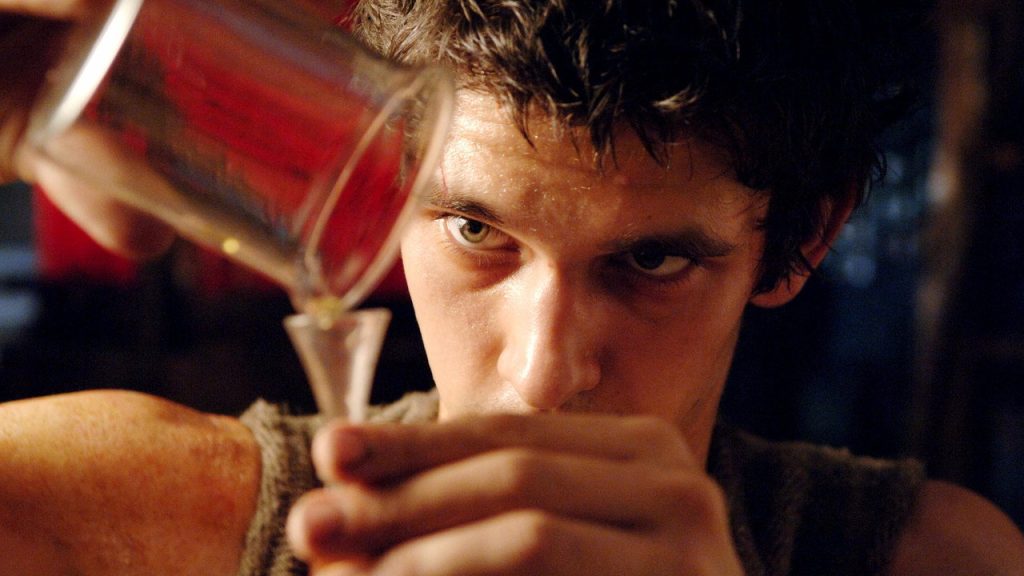
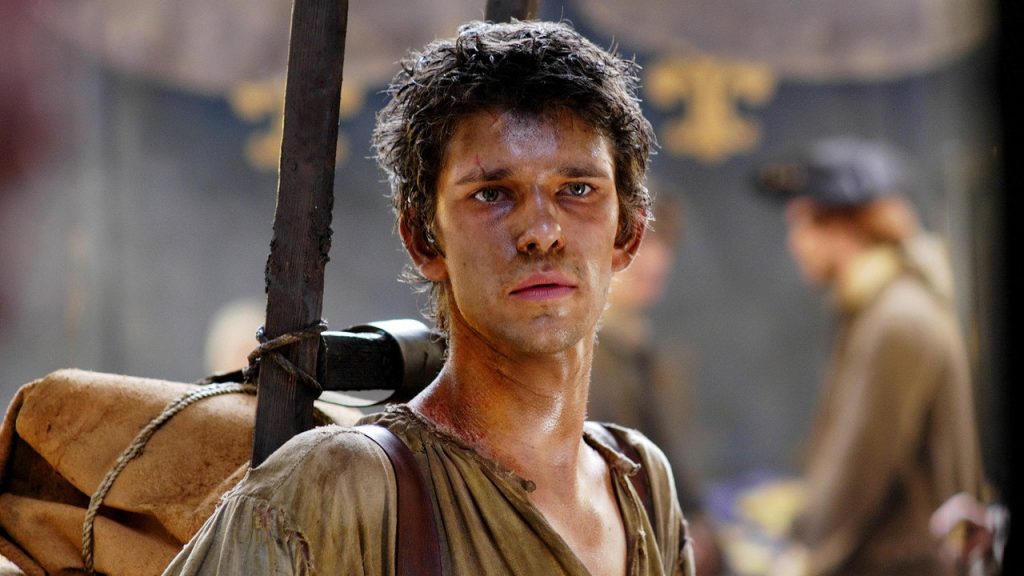
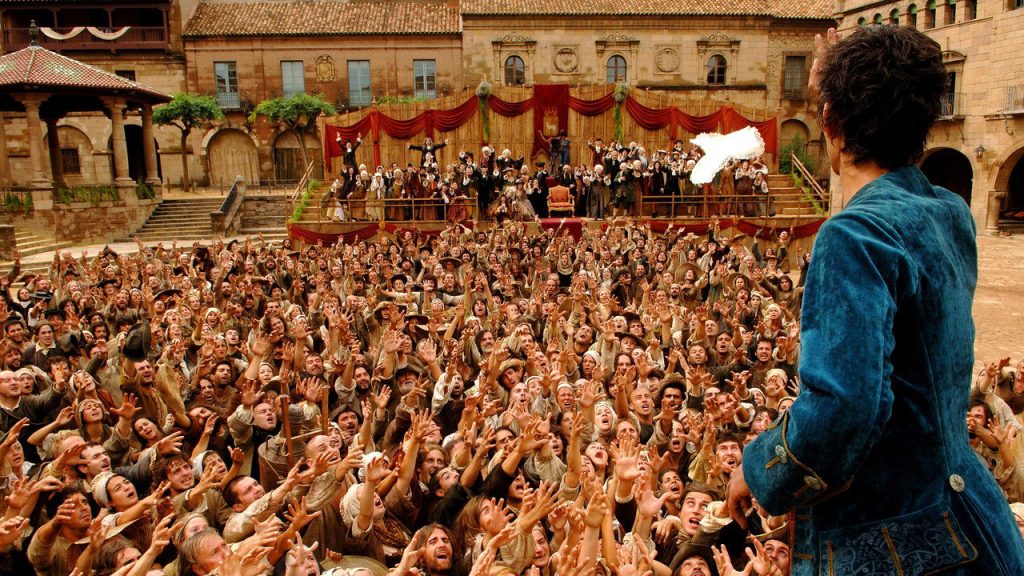
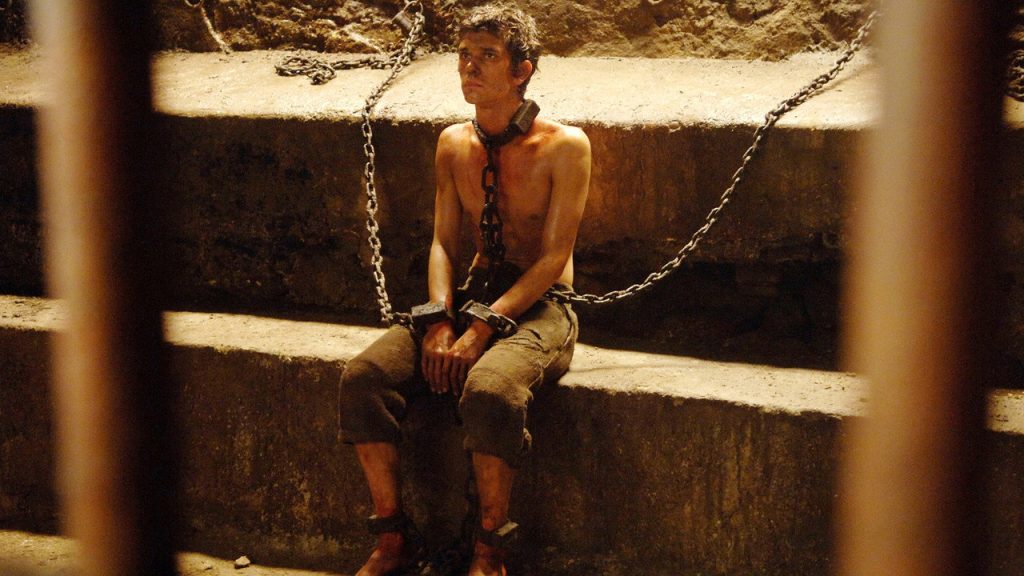
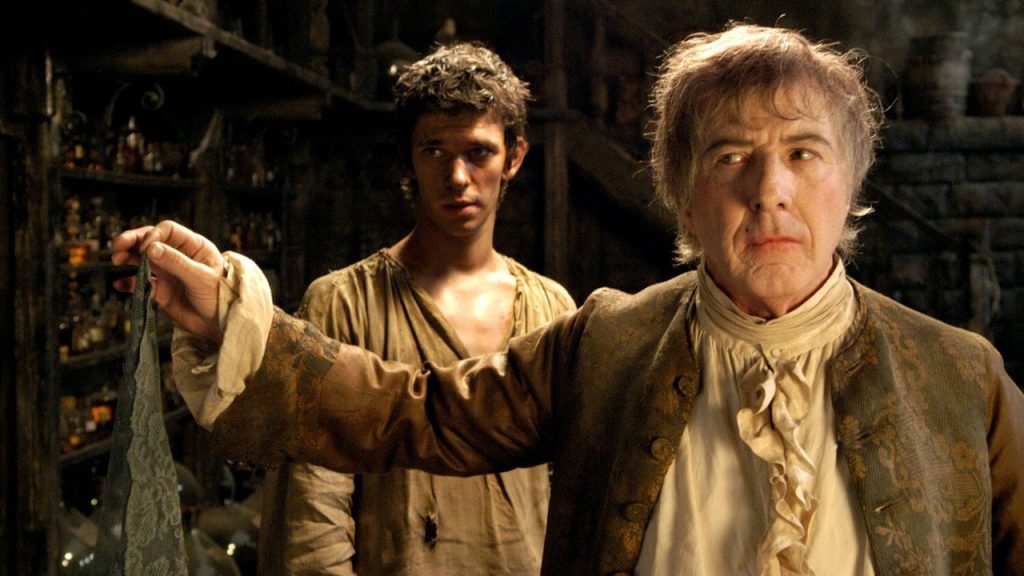
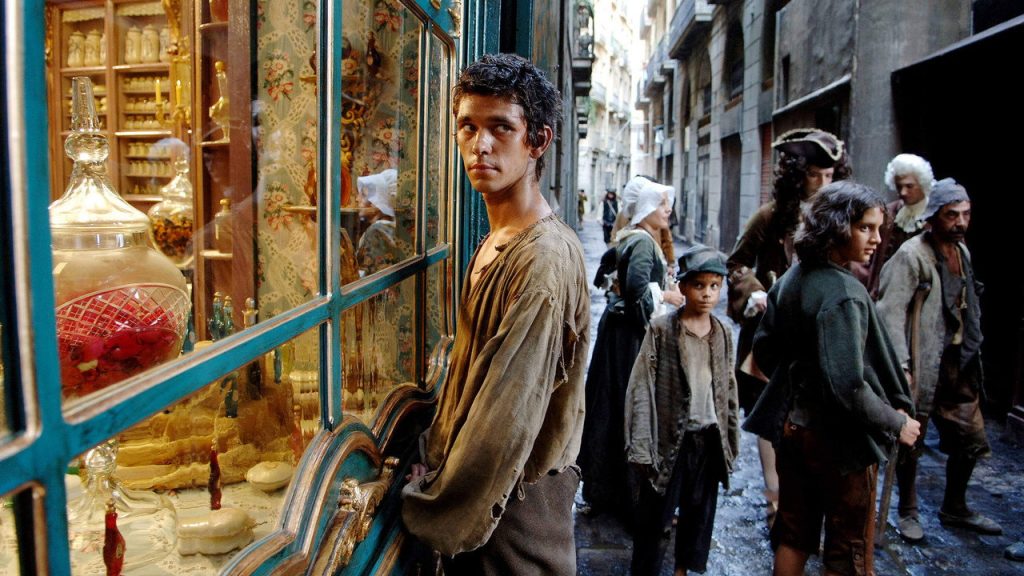
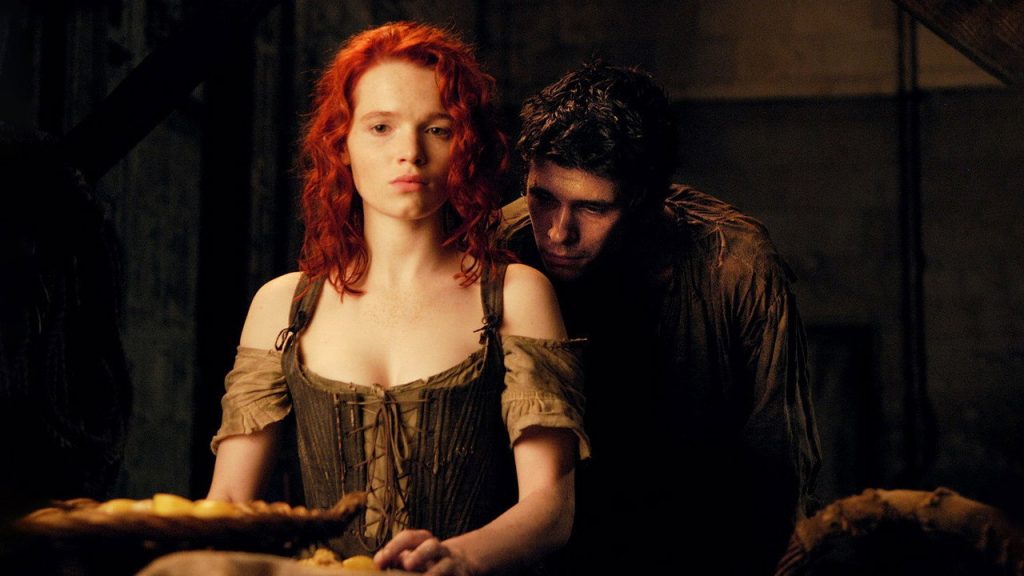
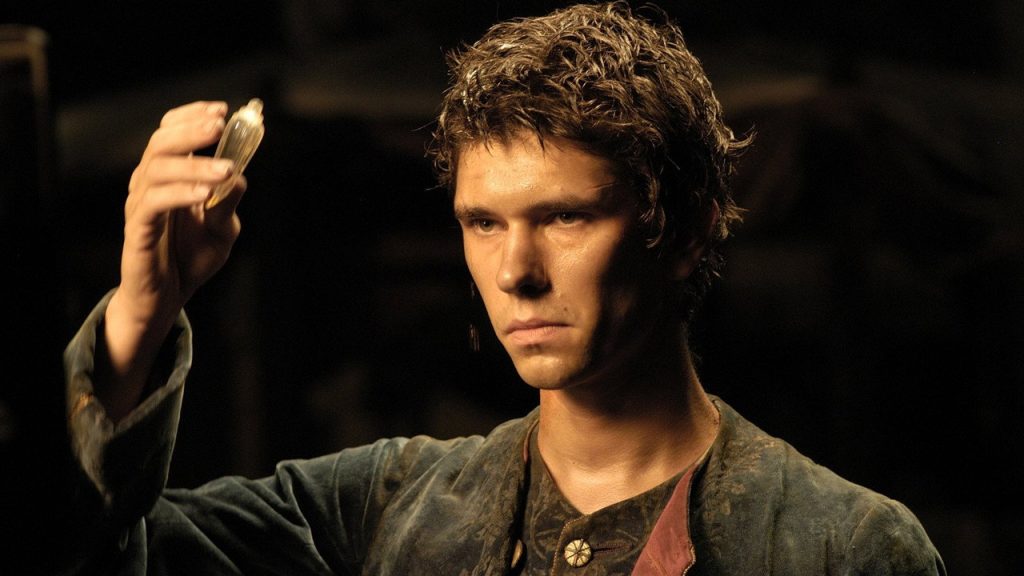
Jean-Baptiste Grenouille is born in 1738 in the filth of a Paris fish market, and two things set him apart from everyone else: he has a sense of smell no one else possesses, and he himself has no smell at all. He grows up in an orphanage and then a tannery, before being apprenticed to a declining perfumer, Baldini, whom he outgrows within weeks. One aim drives him: to learn how to preserve the one scent that cannot be preserved — the scent of a young woman. That is why he sets out for Grasse, the capital of perfumery, and that is why he begins to kill.
Patrick Süskind's 1985 novel is among the greatest German publishing successes of the twentieth century: translated into forty-nine languages, more than twenty million copies sold, nine years on the bestseller lists. The author, however, would not allow it to be filmed for decades. He believed only Stanley Kubrick or Miloš Forman could do it justice, and turned everyone else down — including his friend, the producer Bernd Eichinger, who asked as soon as the book came out. Süskind relented only in 2000: he is reported to have asked ten million euros for the rights, and Eichinger had to take out a personal loan because the studio's supervisory board would not approve the sum. The author took no part whatsoever in making the film. Julian Schnabel also wrote a version, which Eichinger rejected — Schnabel later used that approach in The Diving Bell and the Butterfly.
According to Eichinger the whole undertaking stood or fell on a single problem: the protagonist does not speak. "A novelist can narrate his way around it; in film that is not possible" — and the producer met several directors before concluding that Tom Tykwer alone was attuned to the material. The screenplay then went through more than twenty drafts. Tykwer was no small name even then: Run Lola Run became the face of German cinema worldwide in the late 1990s, and after The Princess and the Warrior he was handed a task few would be: he directed Heaven from Krzysztof Kieślowski's last, unfinished screenplay, and opened the Berlinale with it. Later he co-directed Cloud Atlas with the Wachowskis, and Babylon Berlin is his as well. Here too the film was shot by Frank Griebe, who has shot every one of Tykwer's films.
Putting smell on film is the real stake here, and Tykwer solves it with two instruments: editing and music. He wrote the latter himself, with Johnny Klimek and Reinhold Heil — their fourth consecutive collaboration — and the finished score was performed by the Berlin Philharmonic and the Latvian State Choir, conducted by Simon Rattle. The film was made on a budget of fifty million euros, placing it among the most expensive German productions made to that date, and it took a hundred and thirty-five million dollars worldwide.
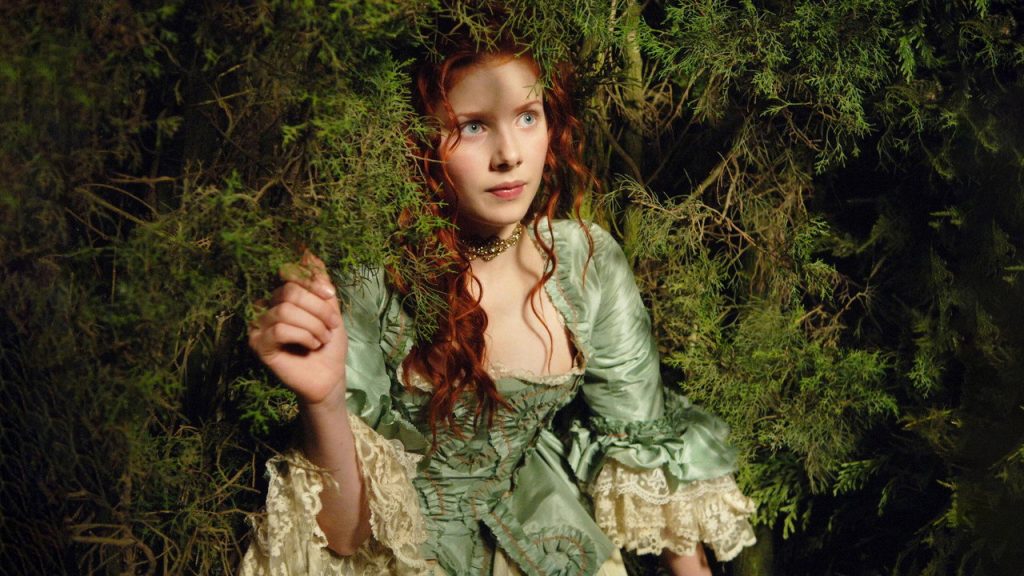
Grenouille is played by Ben Whishaw — his first leading role. Dustin Hoffman plays Baldini and Alan Rickman plays Richis, the wealthy citizen who investigates in defence of his daughter; Tykwer went to both of them first, and never offered Rickman's part to anyone else. Rachel Hurd-Wood plays Laura and Karoline Herfurth the first victim. The novel's cult, meanwhile, reaches well beyond the film: Kurt Cobain called it his favourite book and said he had read it ten times, and Nirvana's Scentless Apprentice came out of it; so did Rammstein's Du riechst so gut.
→ The film on IMDb