


Heysel 85
 Watch the trailer
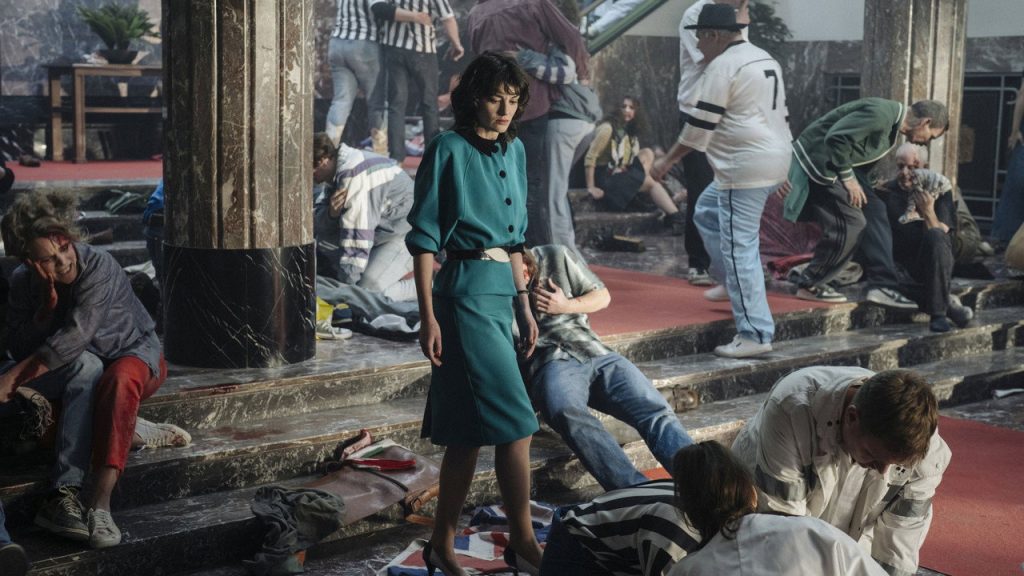
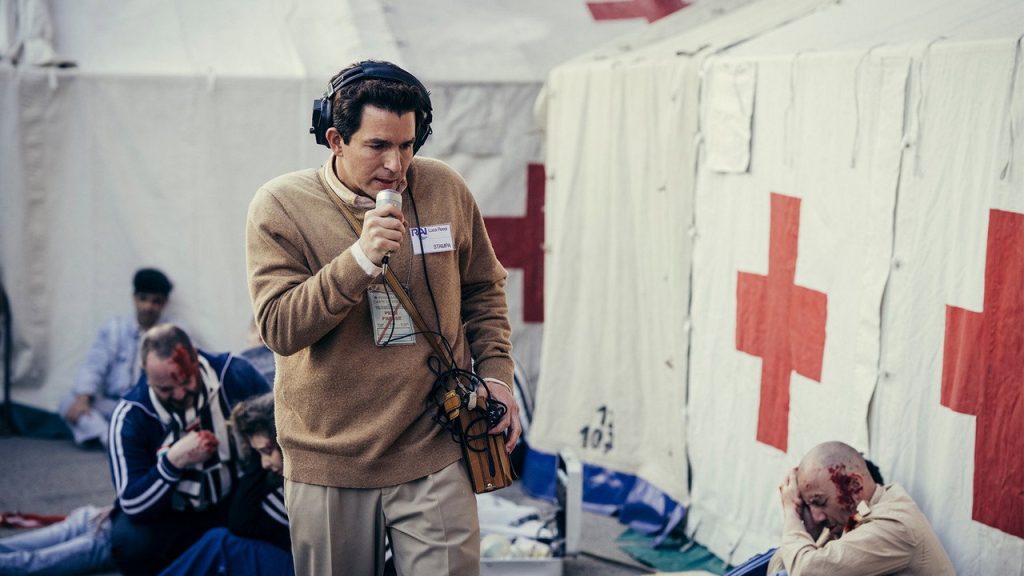
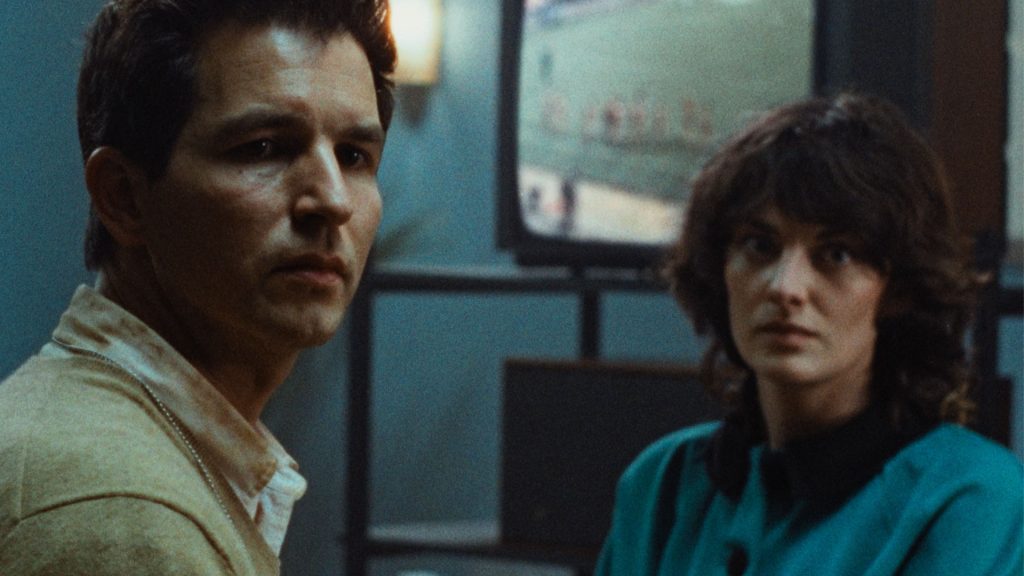
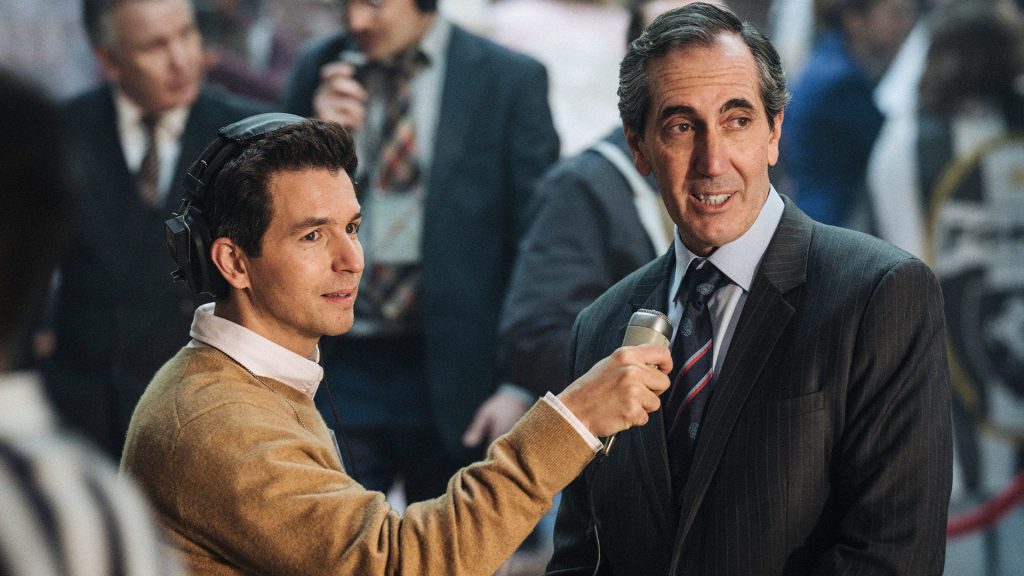
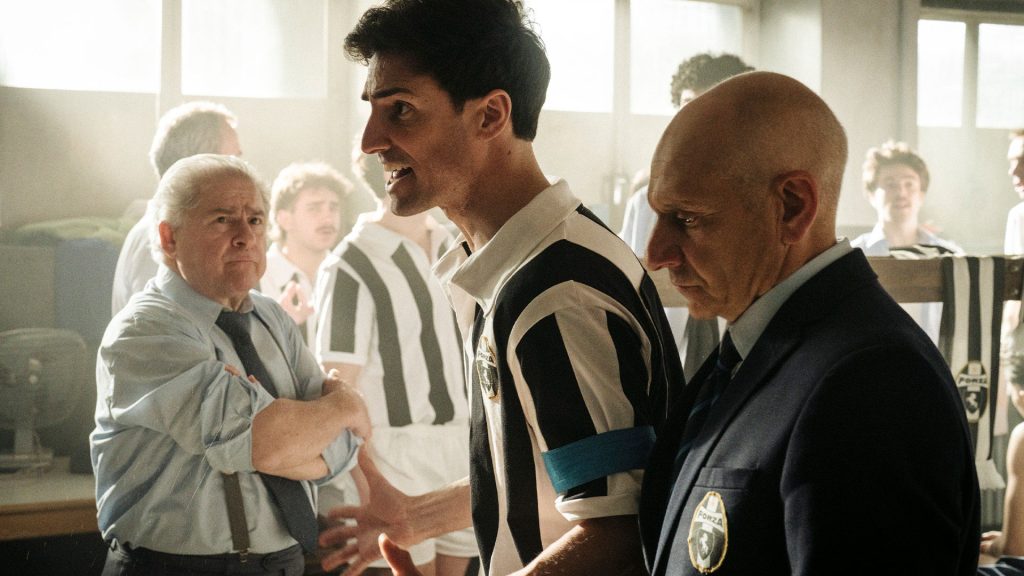
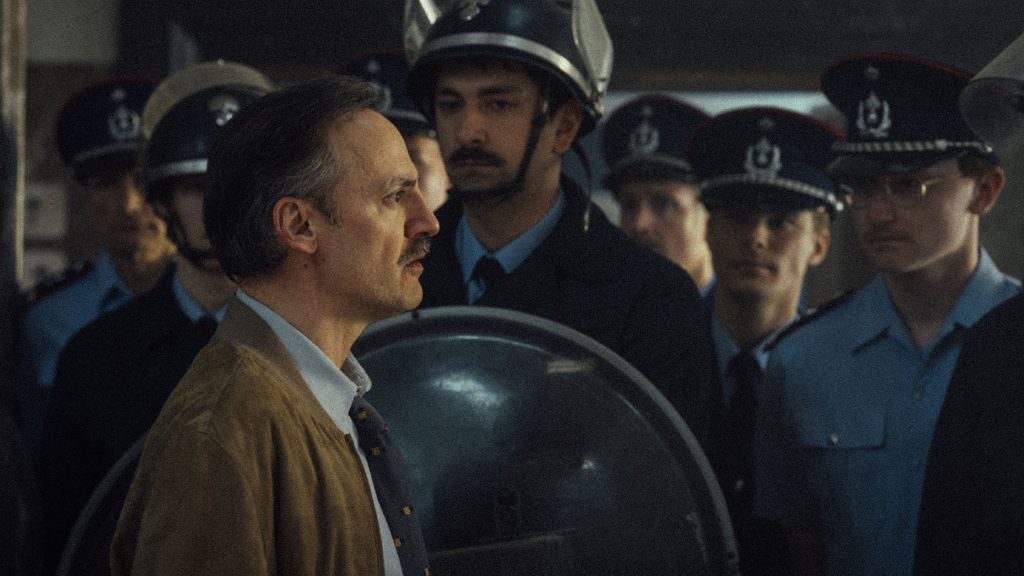
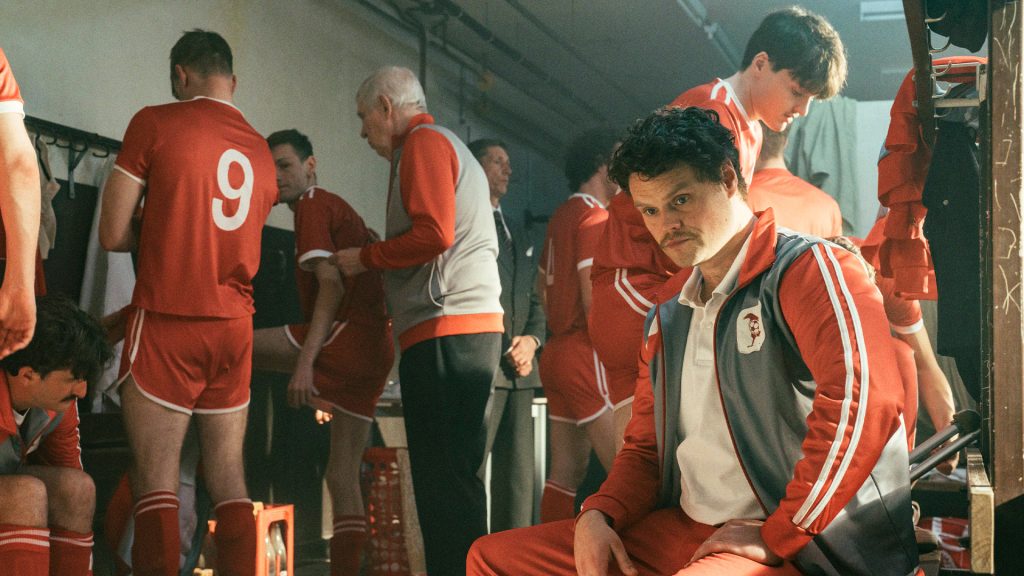
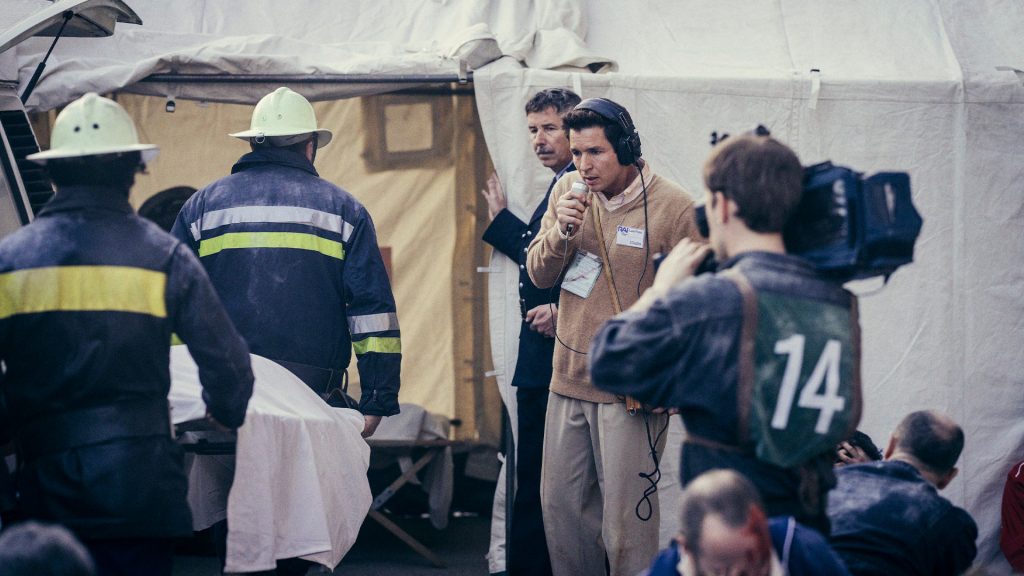
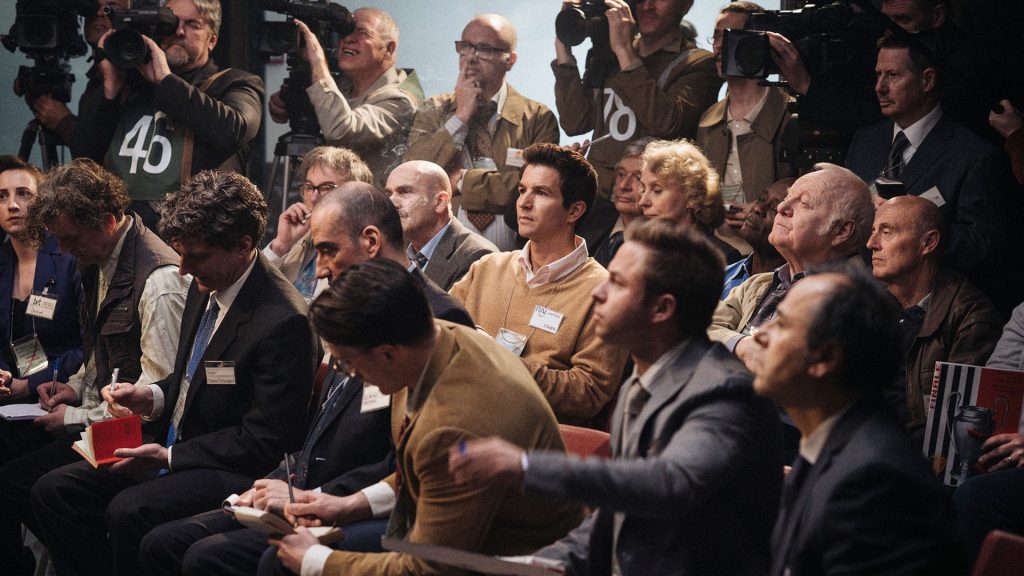
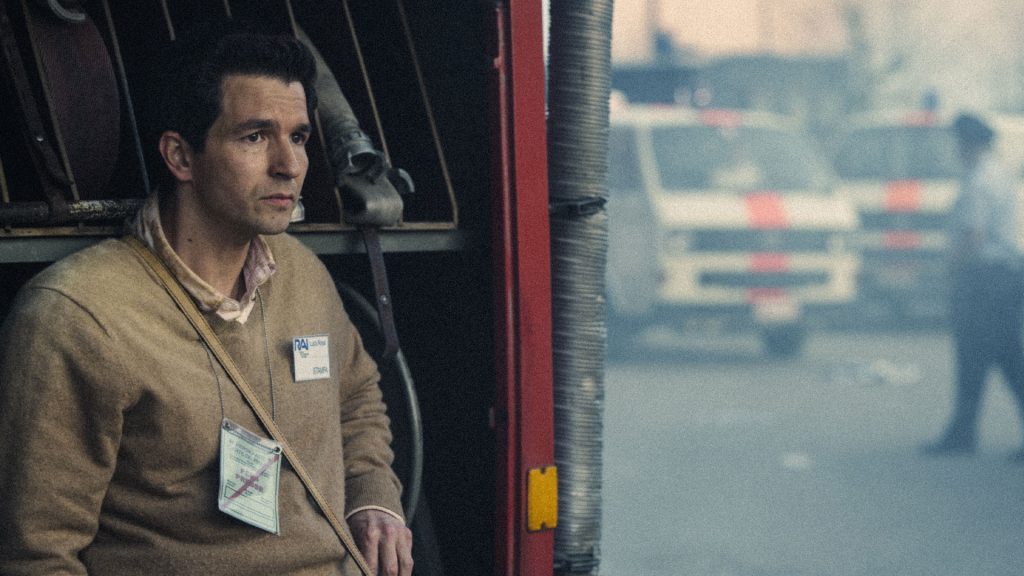
On 29 May 1985 in Brussels, in the hour before the European Cup final between Liverpool and Juventus was due to begin, thirty-nine people died at the Heysel Stadium and around six hundred were injured. The film places two fictional figures inside that hour and the night that followed: Marie, the daughter of the mayor of Brussels, and Luca, an Italian journalist who has come to report on the final and finds himself in the corridors beneath the stands. Both have to choose between their job, their family and what they can see with their own eyes.
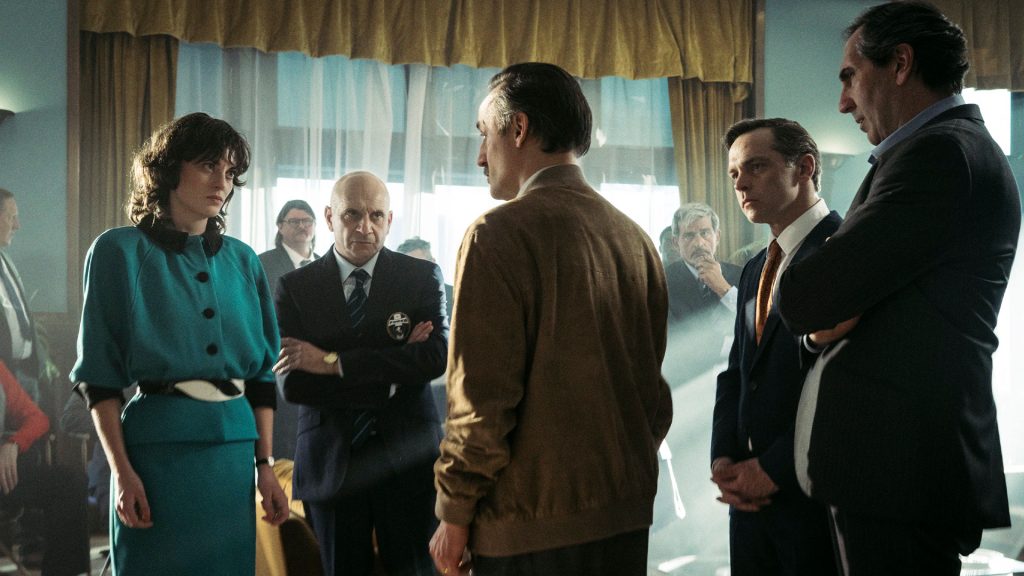
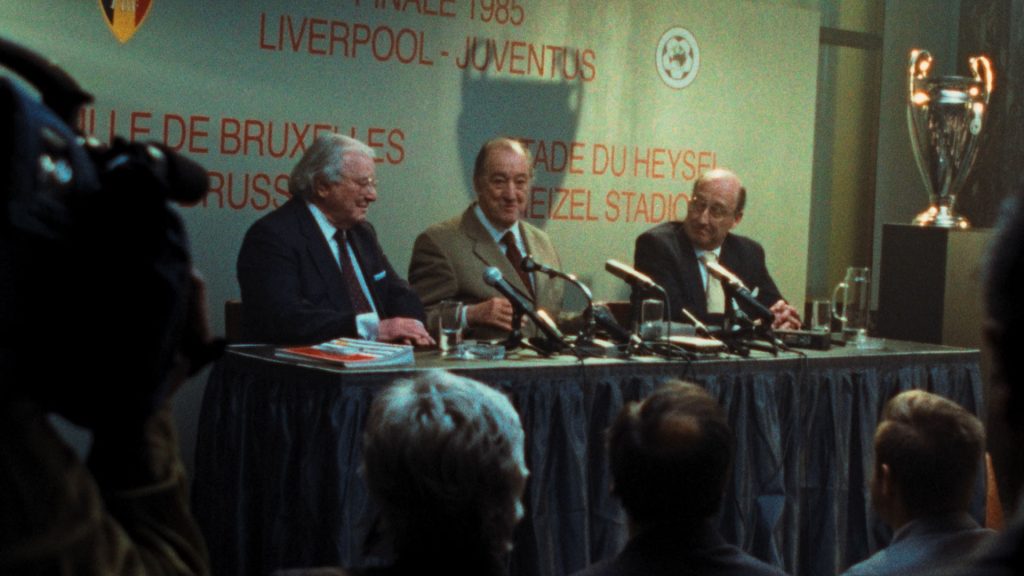
Because the match was played. With thirty-nine people dead, and in fear of further violence, the authorities ordered kick-off; Juventus won the final 1–0, and most of the stadium celebrated. The film's subject is not hooliganism but who made that decision: alongside the violence in the stands, the disaster was caused by a stadium in a state of decay, poor organisation and inadequate policing, and UEFA went on to ban English clubs from European competition for five years. Fourteen Liverpool supporters were later convicted of manslaughter, and a police captain was convicted too.
Mihai shot the film on 16 mm and wove her staged scenes together with archival footage from 1985 — this, and the sound, are what reviews single out. Most of the shoot took place in Antwerp, on the fortieth anniversary of the disaster. Matteo Simoni plays Luca Rossi and Violet Braeckman plays Marie; Braeckman was named a European Shooting Star at this year's Berlinale. Josse De Pauw plays the mayor, and Fabrizio Rongione, familiar from the Dardennes' films, also appears. Marius Panduru shot it, and one of the production companies is the Dardenne brothers' own Les Films du Fleuve.
Teodora Ana Mihai was born in Bucharest in 1981. Her parents fled to Belgium in 1988 and she followed them a year later; she fell in love with film at a high school in San Francisco and studied directing in New York State, then began working as a script supervisor and assistant director. Her first film, the documentary Waiting for August (2014), was about children left behind by parents working abroad; it won more than ten international prizes, including best feature documentary at Karlovy Vary and at Hot Docs in Toronto, and was nominated for a European Film Award. Her first fiction feature, La Civil (2021), played in Un Certain Regard at Cannes and won the prize for courage; in 2024 she made Traffic, written by Cristian Mungiu.
Heysel 85 premiered in February in the Berlinale Special programme. Its reception is divided, and it is worth knowing how: almost every review praises the 16 mm image, the sound and the suffocating helplessness it creates in the spaces under the stands, while several critics argue that it loads too much of an institutional failure onto a single figure, the mayor.