



Ádám almái
 Watch the trailer
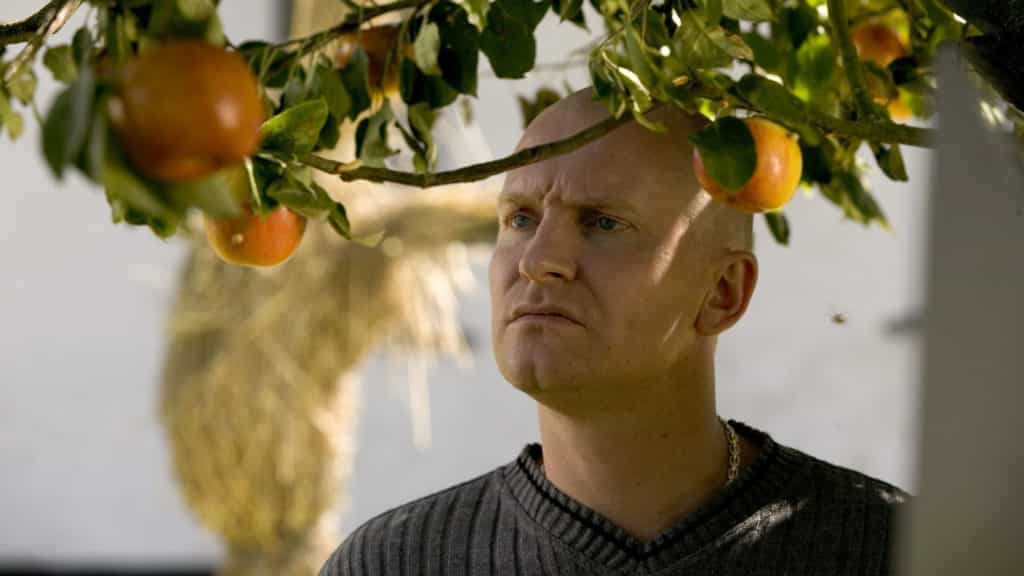
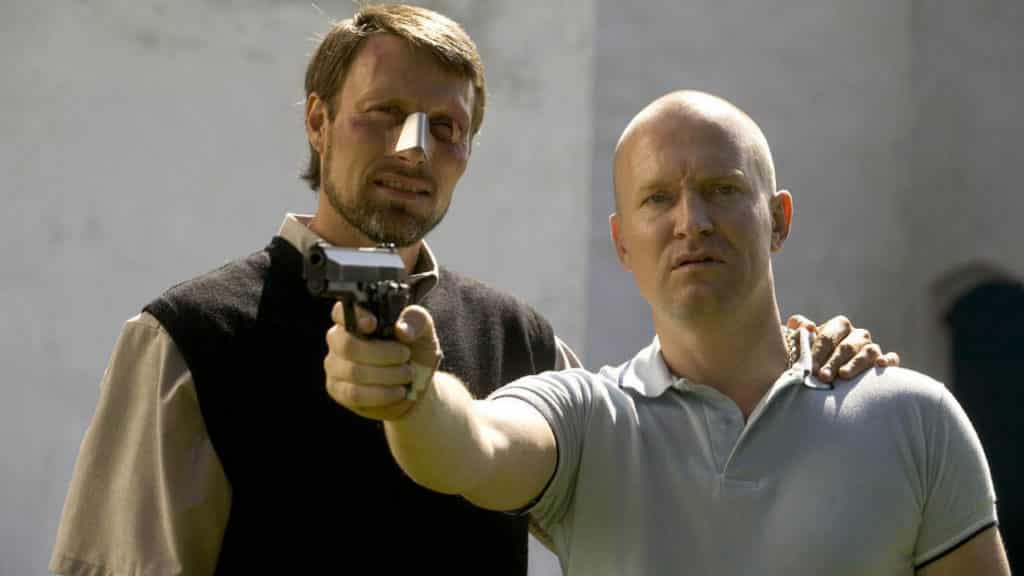
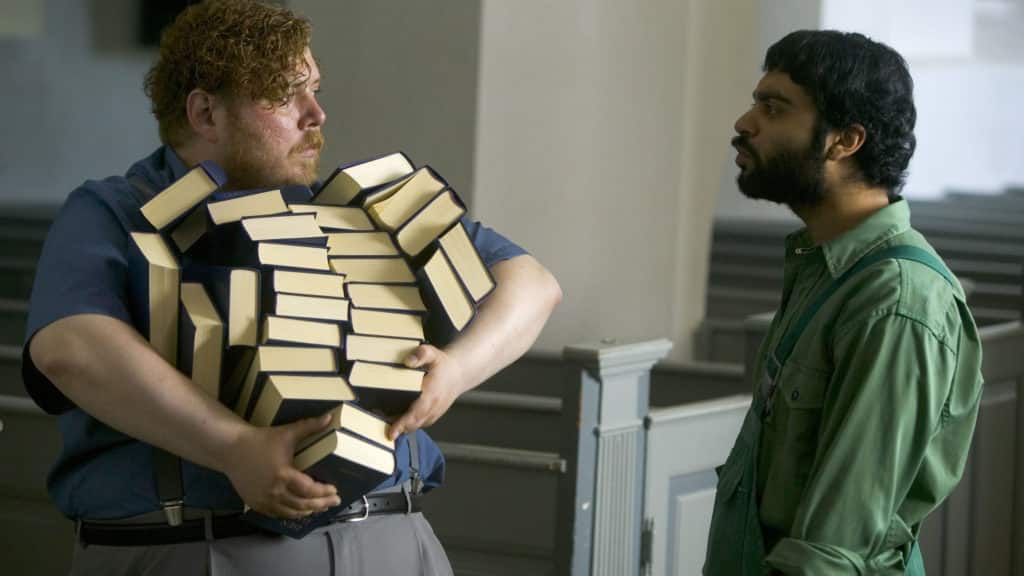
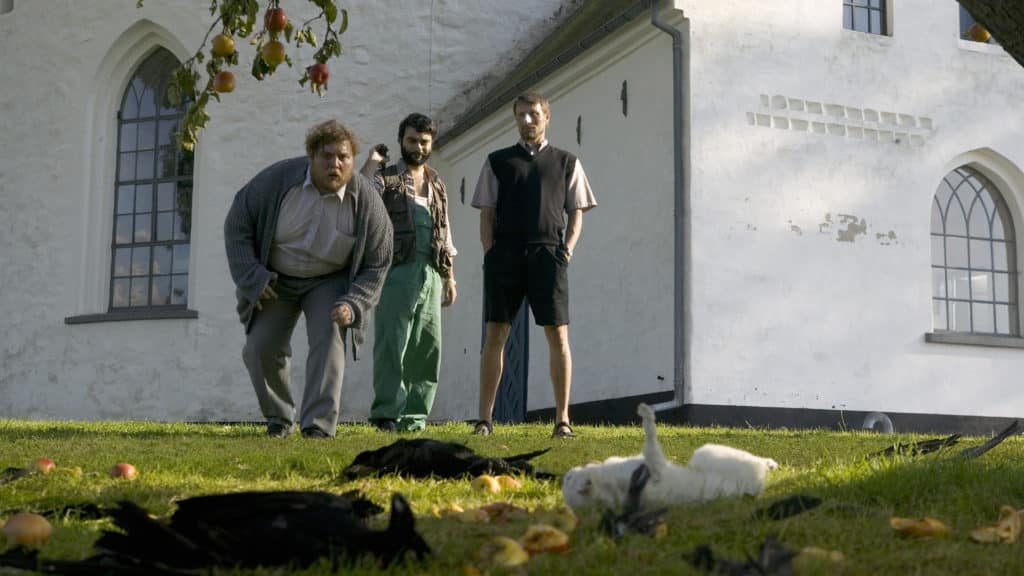
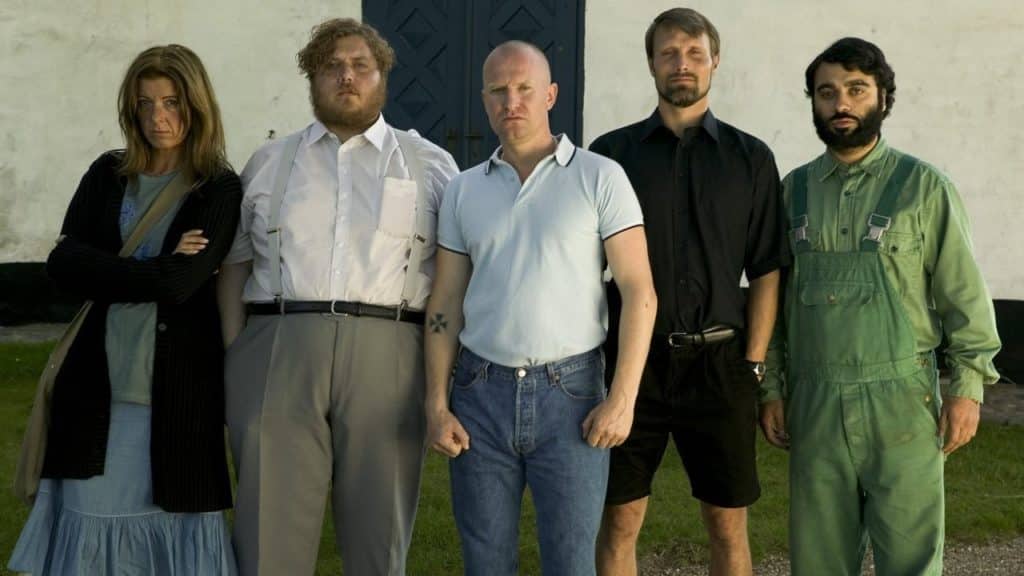
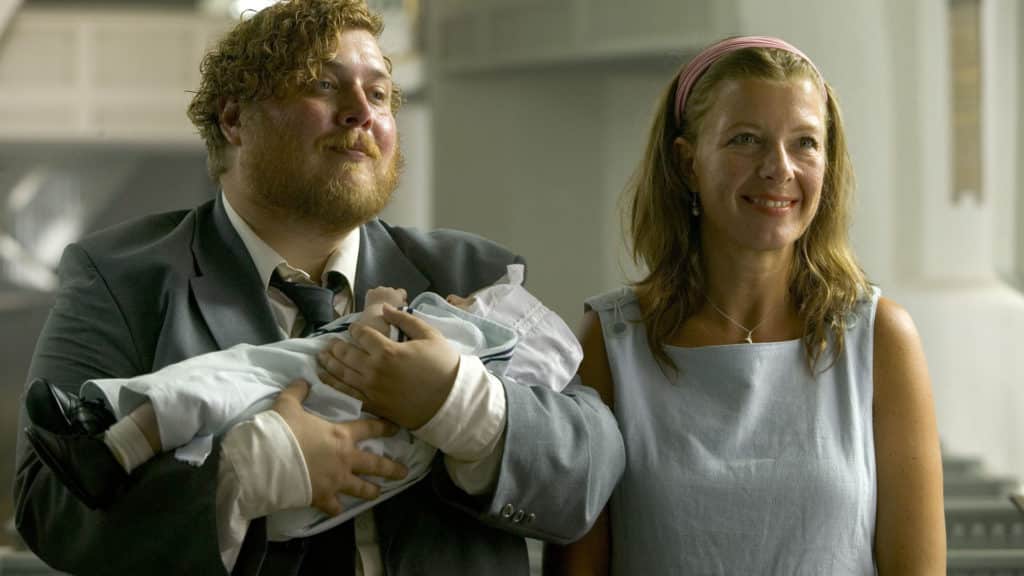
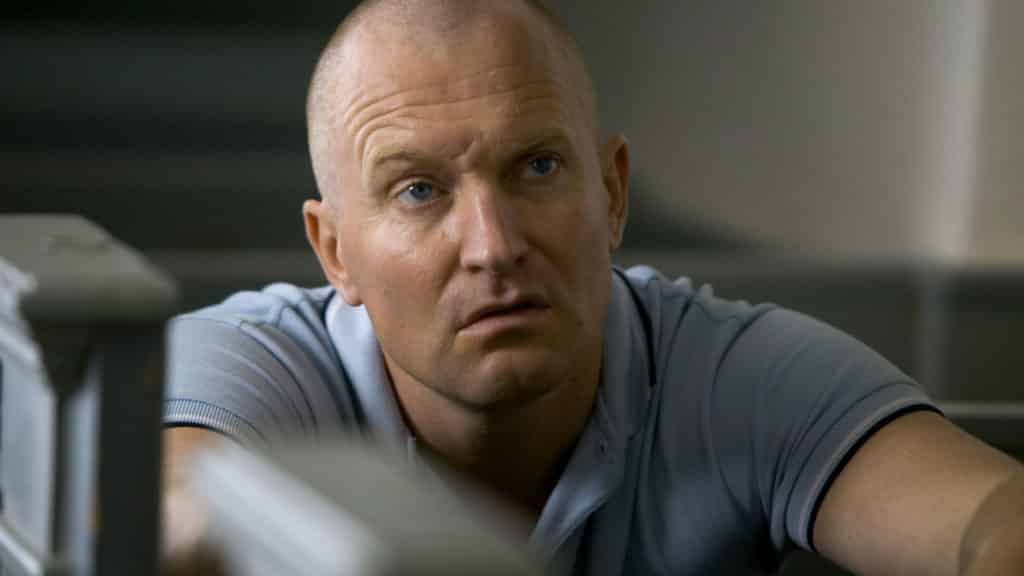
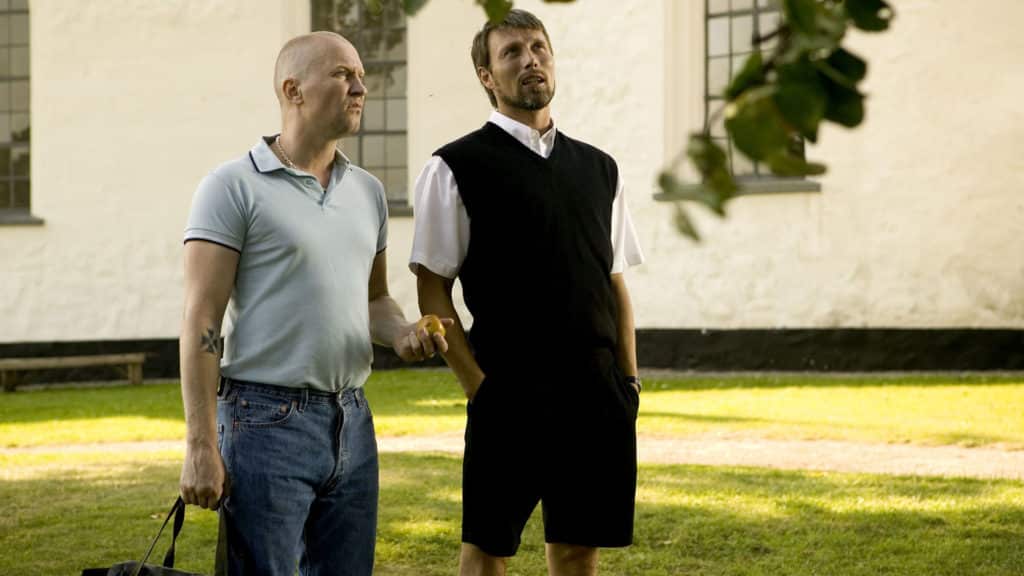
 Adam’s Apples (Adams æbler, 2005, 94 min) is Anders Thomas Jensen’s pitch-black comedy about the collision between a neo-Nazi skinhead and an endlessly optimistic country priest. After being released from prison, Adam (Ulrich Thomsen) is sent to Ivan’s (Mads Mikkelsen) rural church community for rehabilitation, where he is asked to set a personal goal. Mockingly, he decides he will bake an apple pie using the fruit from the church garden’s apple tree. From there, the film gradually transforms into a bizarre theological duel, a biblical allegory, and a deadpan character drama. Crows attack the tree, worms destroy the apples, lightning strikes the trunk, and Ivan interprets every catastrophe as the Devil testing him. Adam, meanwhile, becomes convinced that it is not Satan at work at all, but God Himself turning against the priest. As the two men pull each other deeper into their own worldviews, the film opens into questions of faith, denial, trauma, punishment, and forgiveness. Jensen’s film maintains a remarkable balance between grotesque comedy and genuine tragedy. The humor rarely comes from punchlines; instead, it emerges from the desperate seriousness with which the characters cling to their own explanations of reality. The film’s stripped-down rural settings, faded colors, and dry, precise dialogue create a world that feels simultaneously absurd and painfully human. Structurally, Adam’s Apples draws heavily from the Book of Job, turning suffering itself into a strange cosmic argument. Mads Mikkelsen delivers one of the defining performances of his career as Ivan: naïve, infuriating, fragile, and unexpectedly moving all at once. Anders Thomas Jensen is one of the central figures of modern Danish cinema. As a screenwriter, he collaborated on major films such as Brothers (Brødre) and the Oscar-winning In a Better World (Hævnen), while his directorial work established a distinctive cinematic universe blending black comedy, violence, and existential despair. Films like Flickering Lights (Blinkende lygter), The Green Butchers (De grønne slagtere), Men & Chicken (Mænd & høns), and Riders of Justice (Retfærdighedens ryttere) all share the same fascination with damaged people trying, often unsuccessfully, to create meaning or connection. Jensen first gained international recognition with his short film Election Night, which won the Academy Award in 1998. Many consider Adam’s Apples the centerpiece of his career: his funniest, cruelest, and most compassionate film at the same time. Released in 2005, the film quickly achieved cult status across Europe, particularly in Scandinavia and Germany. Critics praised the unusual way it fused religious allegory, deadpan comedy, and stories about people living on society’s margins. It was frequently compared to the work of the Coen Brothers or Emir Kusturica, though Jensen’s voice remained unmistakably his own. Over the last two decades, Adam’s Apples has become one of the defining European cult films of the 2000s, regularly cited in discussions about cinema dealing with faith, evil, and the absurdity of human existence.