




Compostelle
 Watch the trailer
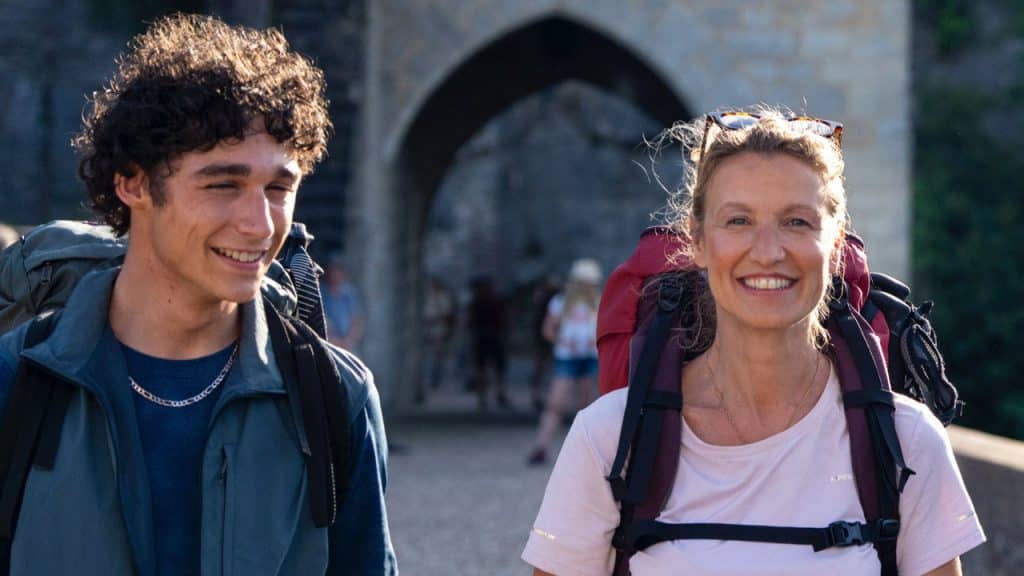
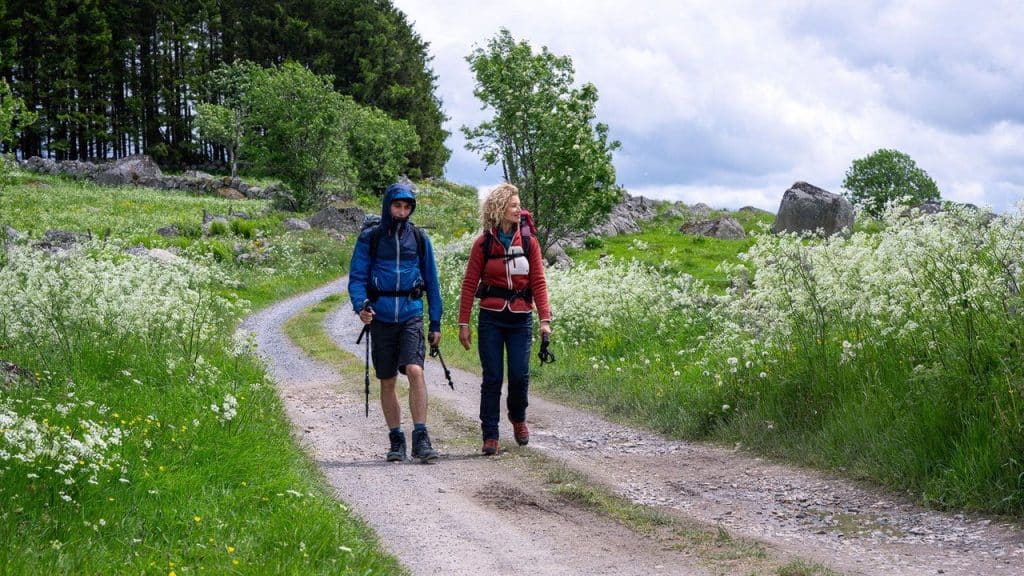
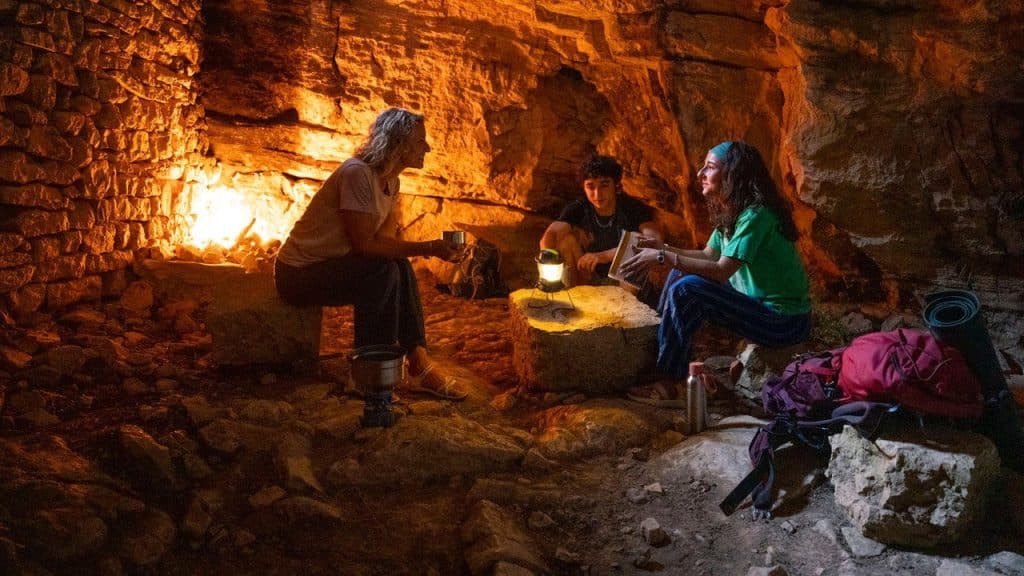
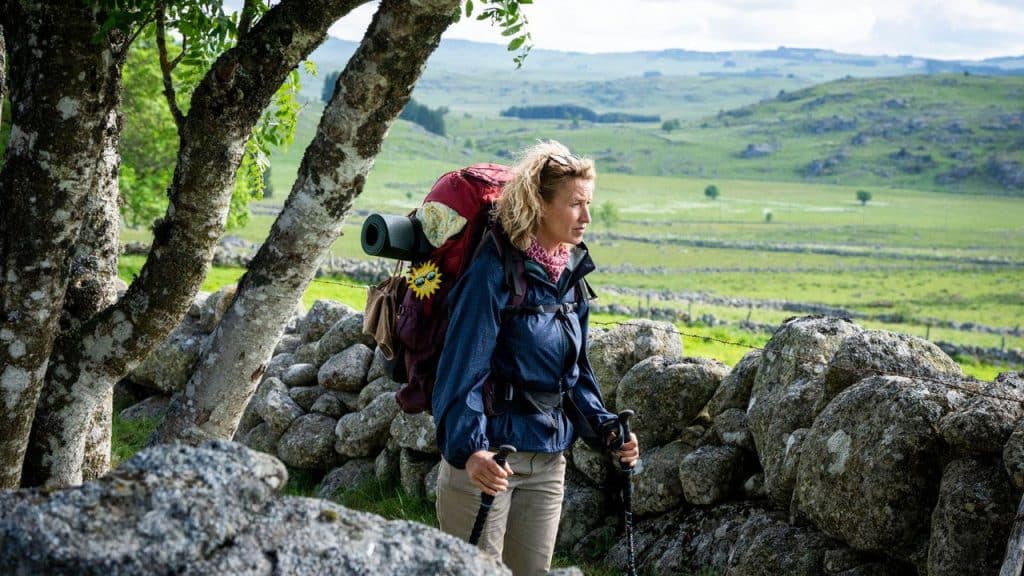
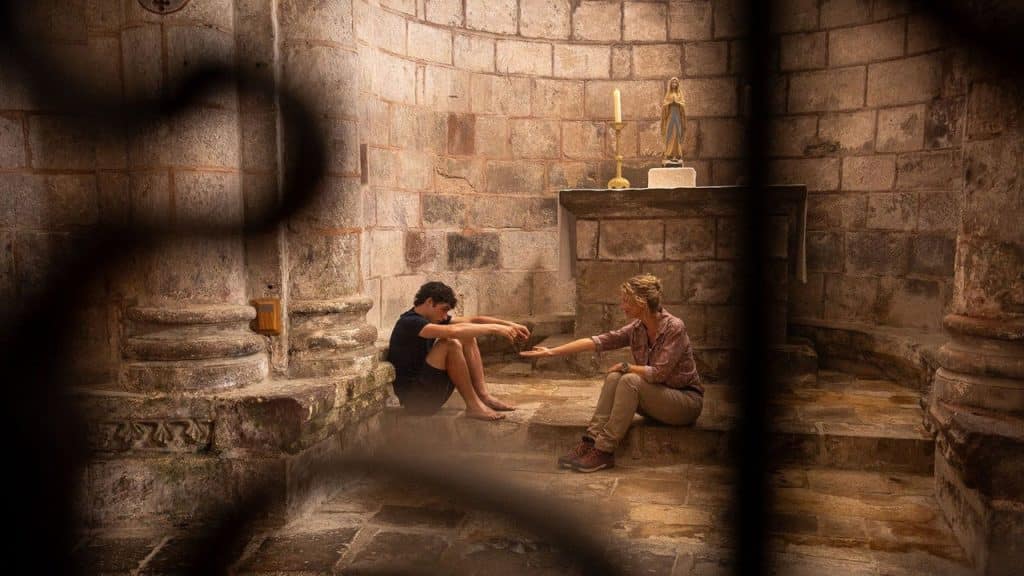
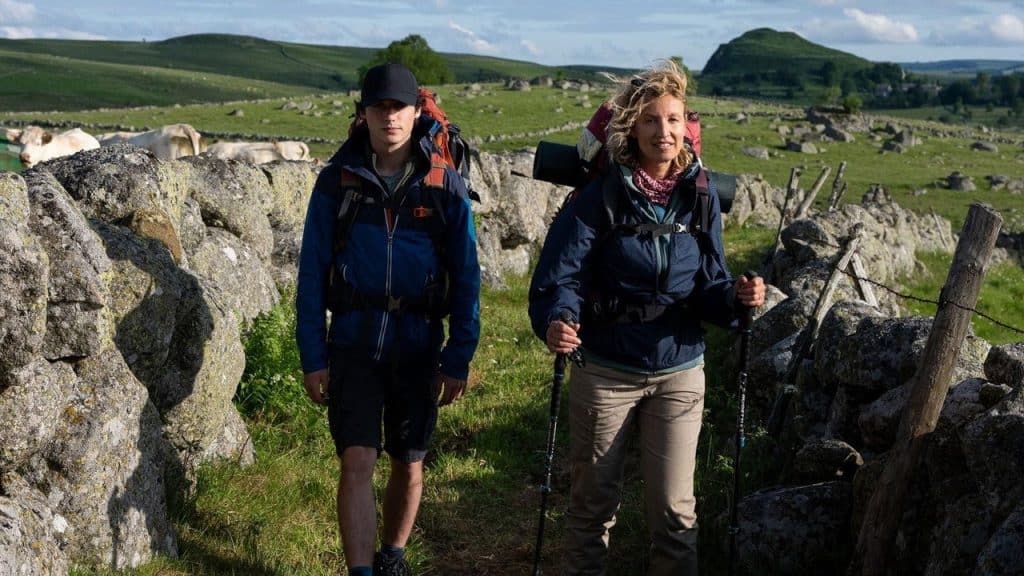
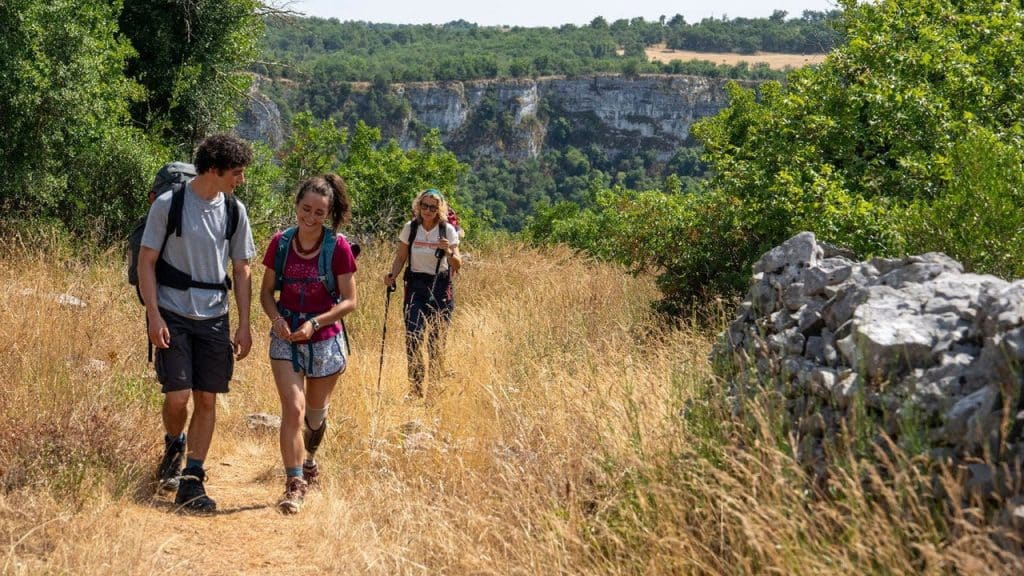
 Fred and Adam don't know each other, and yet they set out on the Camino de Santiago together. Adam is a teenager, a repeat juvenile offender, and an association has offered him a last alternative to prison: a long walk that cuts him off from everything his life has been. Fred is his companion on it. She wants to settle accounts with her own past; the boy is trying to get a handle on his anger and on the feeling that everyone has abandoned him. Over the kilometres, between confrontations and long silences, something forms between them that neither of them has a name for.
The film's real-life background is Bernard Ollivier's book Marche et invente ta vie and the Seuil association he founded. Seuil offers young people between fourteen and eighteen, facing prison for criminal offences, an alternative: nearly two thousand kilometres of walking abroad over roughly three months, with a single adult companion and no phone, no music, no internet. Samuell and his producers spent two years looking for a subject for a film about adolescence before they came across the book. The film's Adam is entirely invented — the director never met the boy described in it, and built the character instead out of the stories of many other young people.
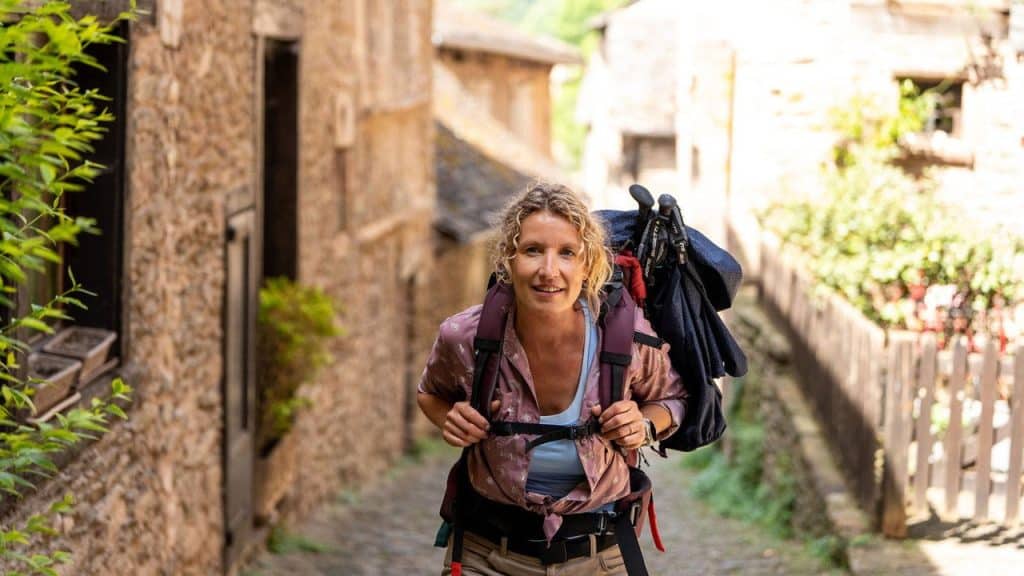
Yann Samuell has been a known name in French cinema since Jeux d'enfants (Love Me If You Dare, 2003); he wrote Compostelle as well as directing it. Alexandra Lamy plays Fred and Julien Le Berre plays Adam, alongside Mélanie Doutey and Éric Métayer. The production walked the actual route: they shot in the Lot valley around Cahors, Figeac and Bouziès, at Le Puy-en-Velay, in the Aveyron, then in the Pyrenees and in Spain, where the pilgrim route ends.
The reception splits sharply. French critics were reserved — the average across fourteen outlets barely clears the middle of the scale — but audiences clearly took to it: AlloCiné users rated it four out of five across more than two thousand votes, and over 1.2 million people saw it in French cinemas.
→ The film on IMDb