






Her Private Hell
 Watch the trailer
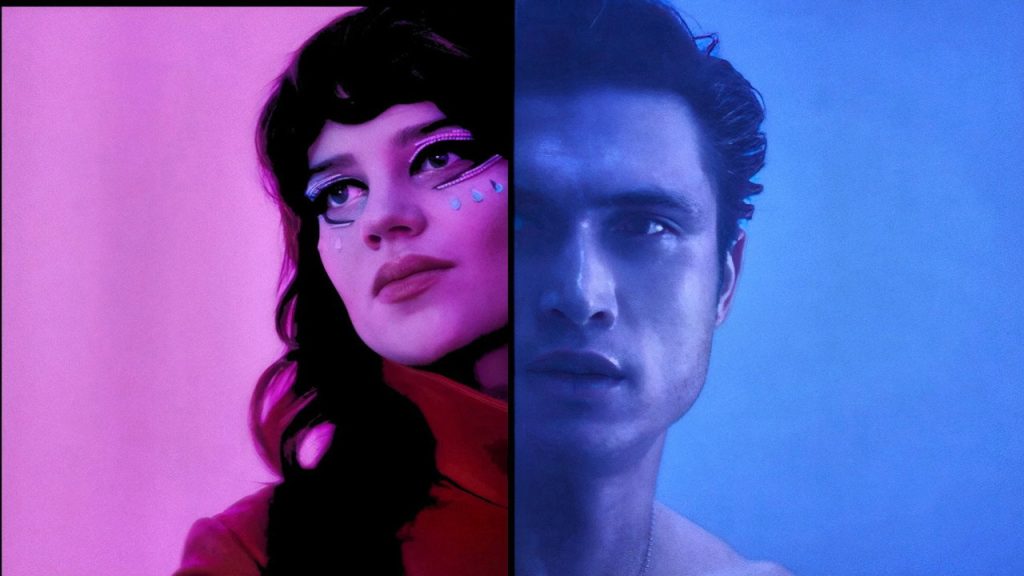
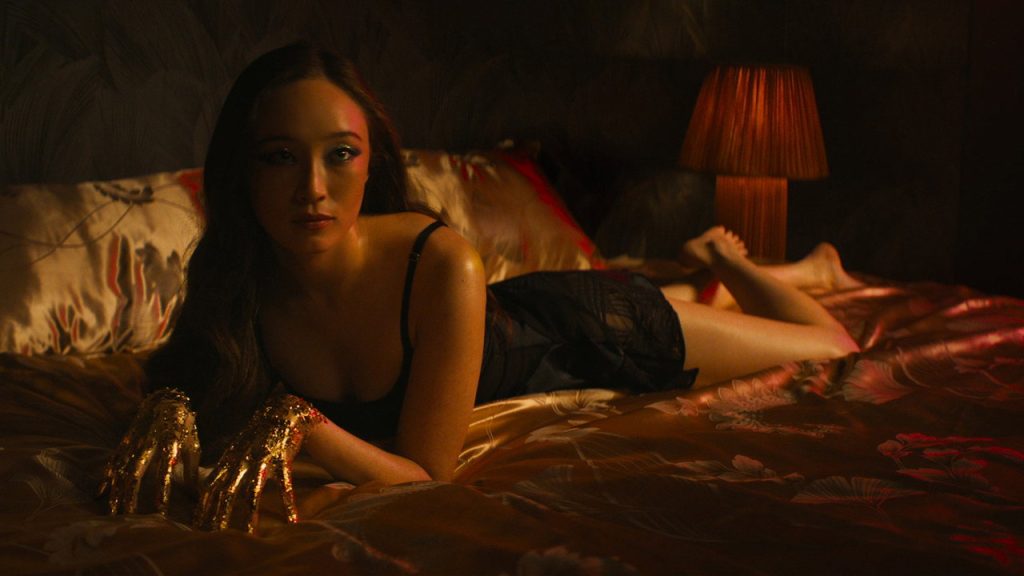
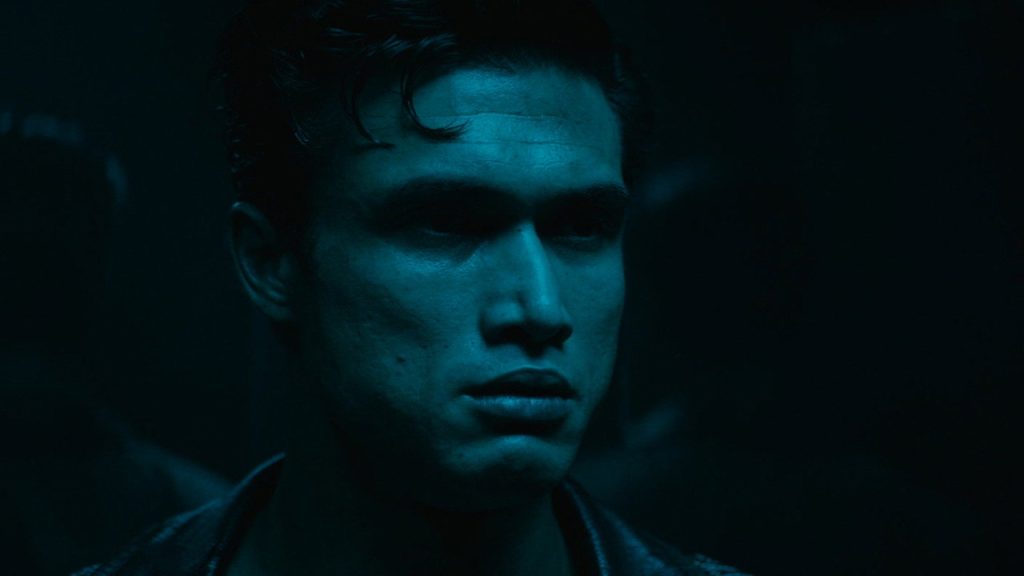
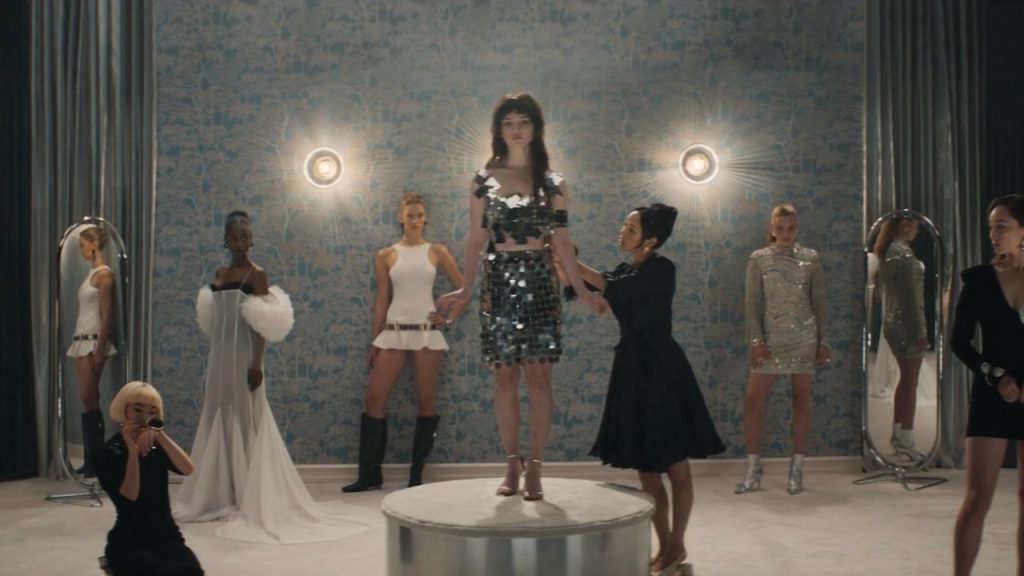
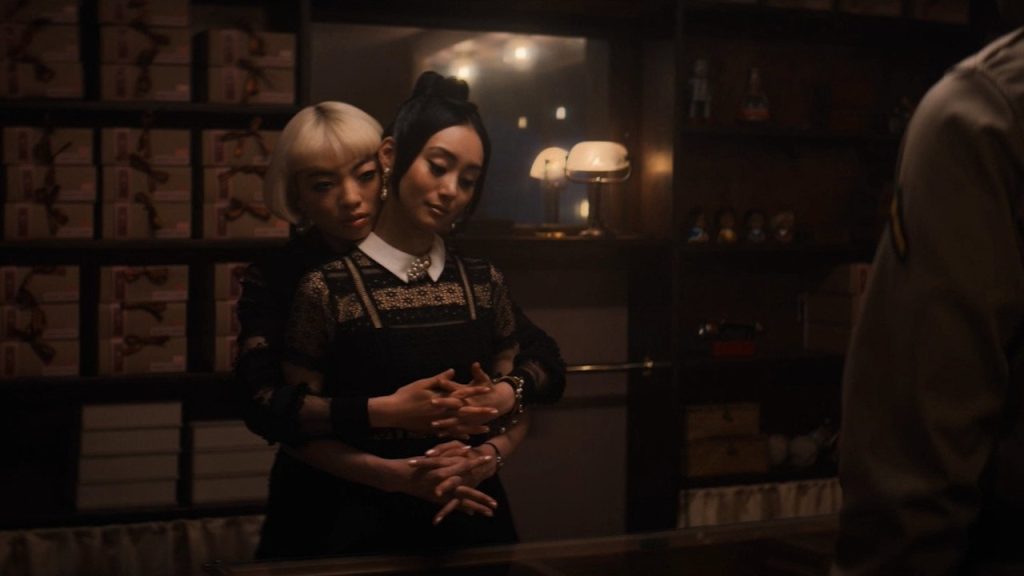
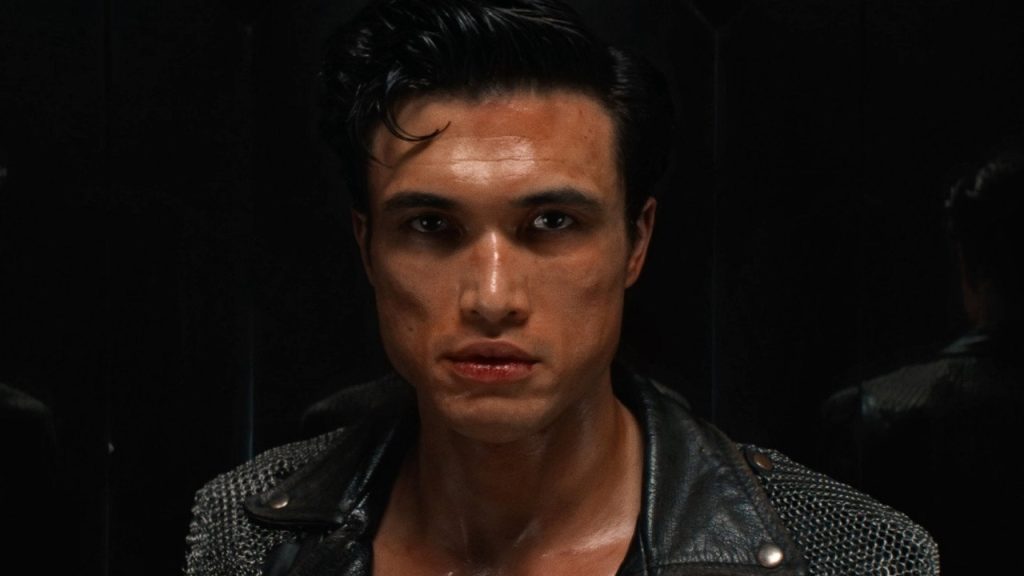
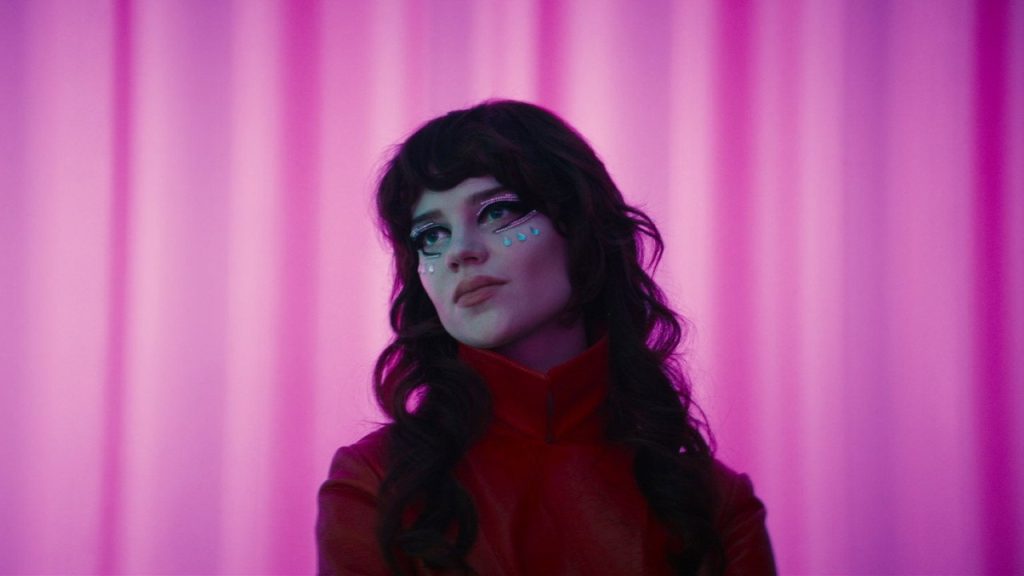
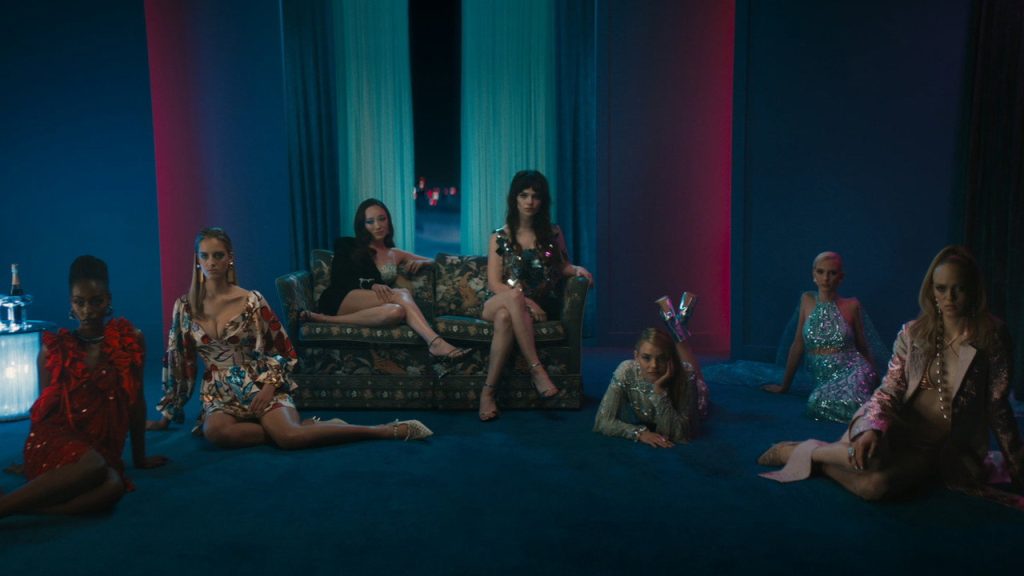
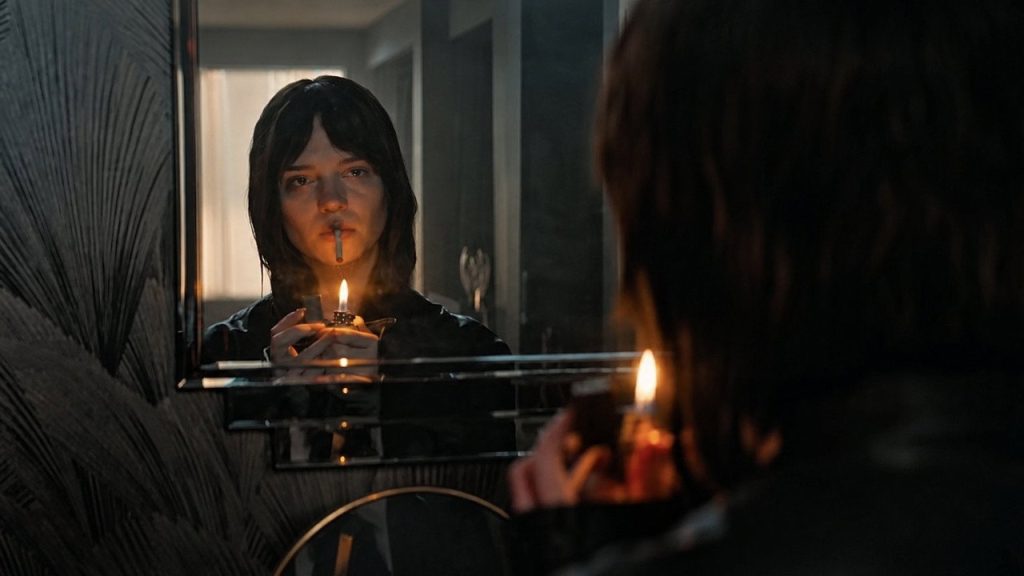
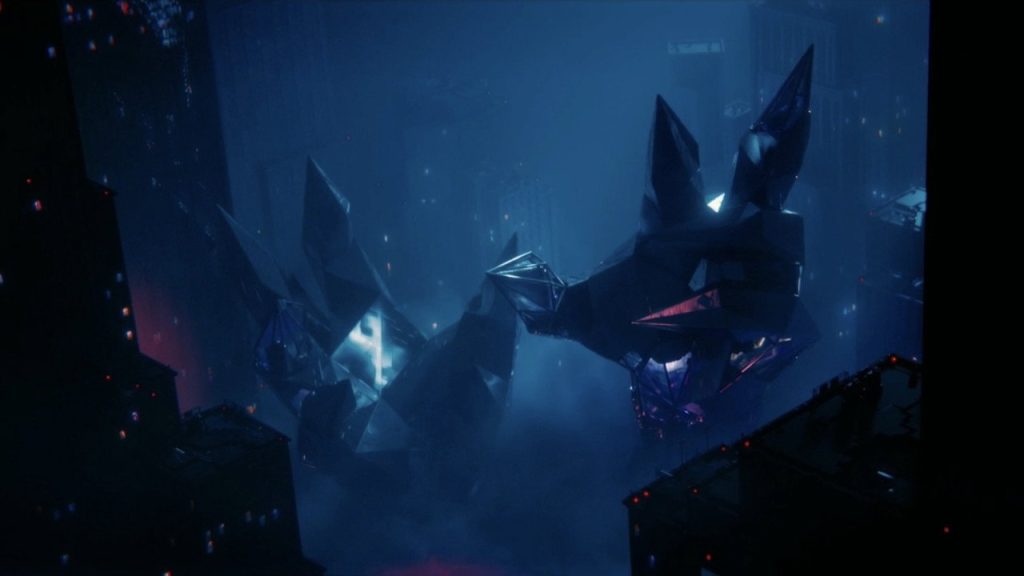
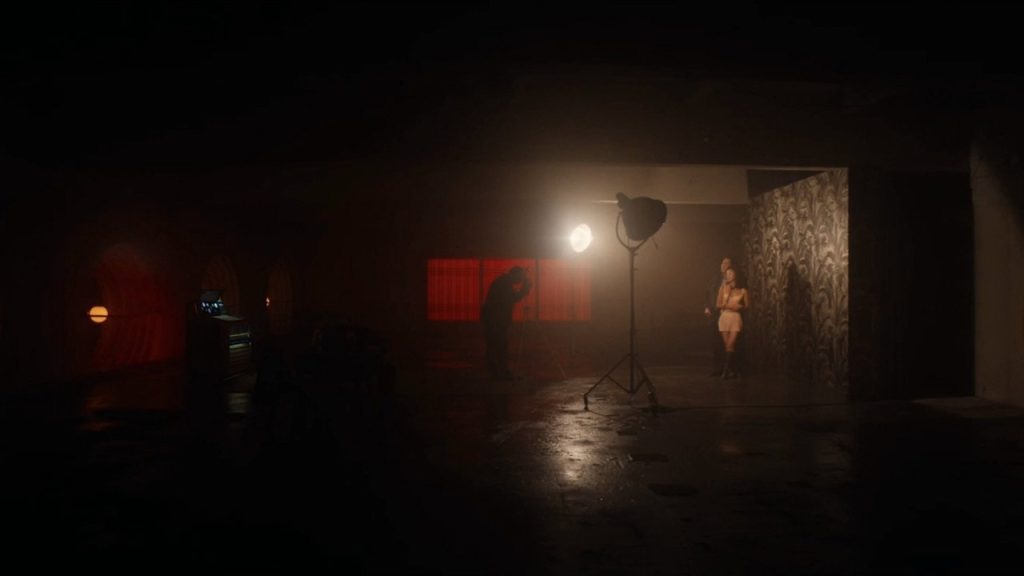
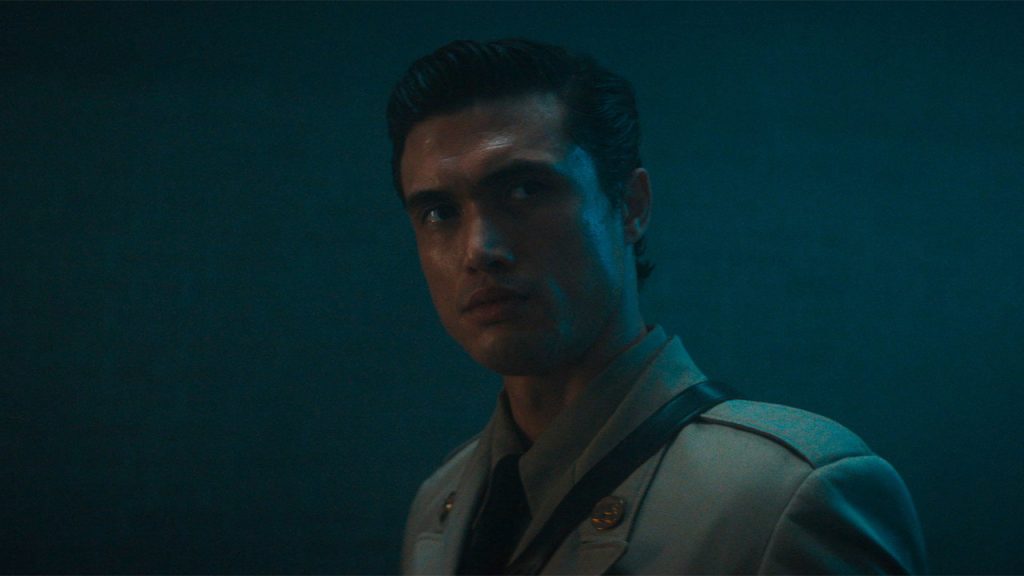
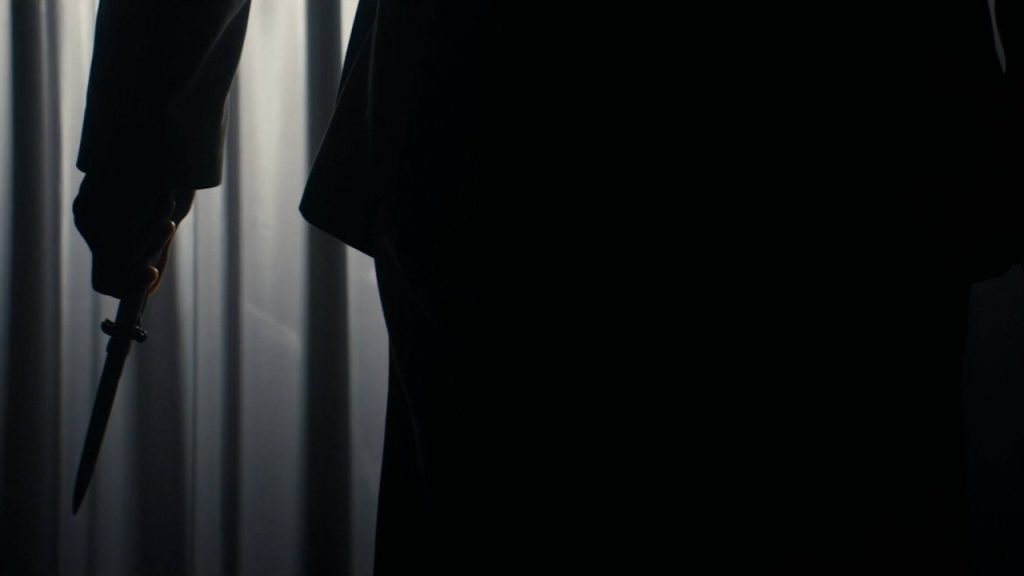
 A futuristic metropolis drowns in fog, and something without a name is loose inside it. Elle, a troubled young woman, goes looking for her missing father; her path crosses that of an American soldier trying to get his own daughter out of hell. From there the film explains nothing: Refn works in images, light and music, and the story flows rather than advances.
The backstory here is at least as interesting as the film. A few years ago Refn said he had reached the end of his creative odyssey — he had made what he wanted to make, there was nothing left. Then, in 2023, came a health crisis. "I was dead for half an hour, and I was brought back to life with electricity, like Frankenstein," is how he described it. That was when he realised he could start over, and that he wanted to make films again, in a way he never had. Her Private Hell is his first feature since The Neon Demon (2016), and it's hard not to read the two together: a film about a descent into hell, from a man who was brought back.
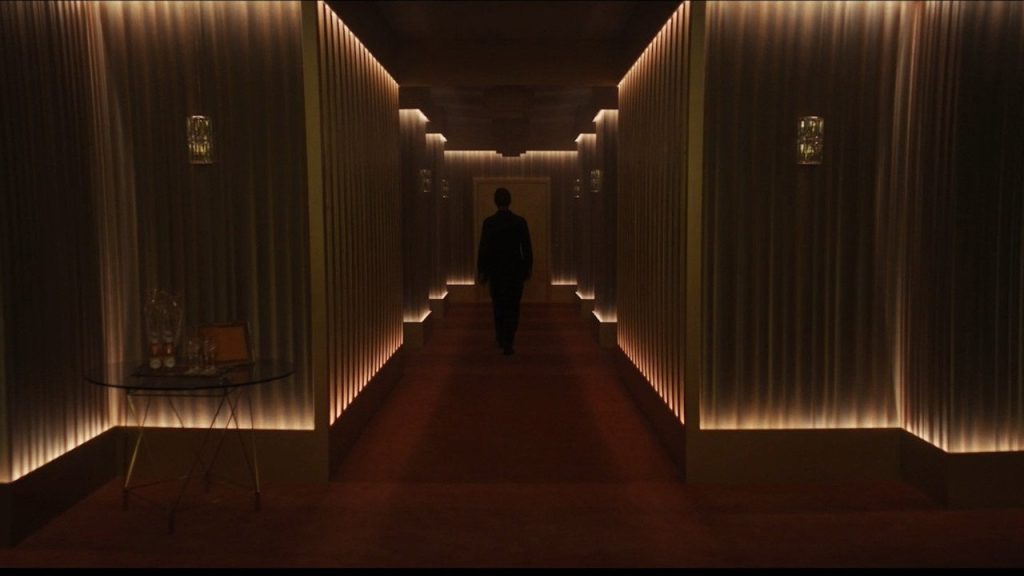
The way it was made is unusual too. The story is set partly in Japan, with Japanese actors and Japanese-language scenes, and yet it wasn't shot in Japan: Refn travelled through Japan and South Korea, concluded that what he was looking for didn't exist and would have to be built, and ended up shooting everything on sets in Copenhagen over fifty-seven days. The crew never exceeded thirty people, cast included. He says he first wanted to make a horror film, then a sci-fi, then got interested in Douglas Sirk's melodramas, then went back to John Waters; at the end of the shoot he decided the film should be operatic and hired Pino Donaggio — Brian De Palma's regular composer (Carrie, Body Double) — for their first collaboration.
The world premiere was out of competition at Cannes in May 2026, where it drew a twelve-minute standing ovation — critics were considerably cooler. The aggregators are unambiguous: barely over forty percent of the twenty-seven reviews collected by Rotten Tomatoes are positive. Variety wrote that the film "is a disaster, but even that's part of its hipster factor. The film practically announces that it's too cool to be coherent." The Hollywood Reporter's critic was equally damning while praising the cast, the cinematography, the production design and the nods to Argento and De Palma. TheWrap, by contrast, called it Sophie Thatcher's most daring performance yet, comparing her at moments to Jack Nicholson in The Shining. This film has no interest in pleasing everyone, and it won't: anyone who never found a way into Refn's earlier work won't find one here either.
Sophie Thatcher plays Elle and Charles Melton the soldier, with Kristine Froseth, Havana Rose Liu, Diego Calva, Dougray Scott and a Japanese cast including Hidetoshi Nishijima. Refn is no newcomer to Cannes: he won the directing prize there in 2011 for Drive, and both Only God Forgives and The Neon Demon played in competition.
→ The film on IMDb