




Mommy Blue
 Watch the trailer
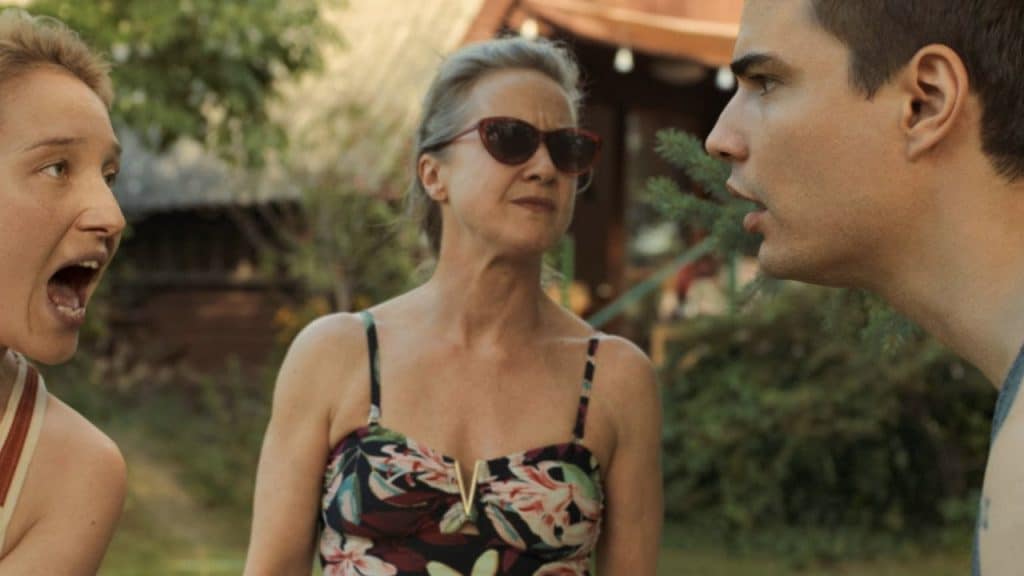
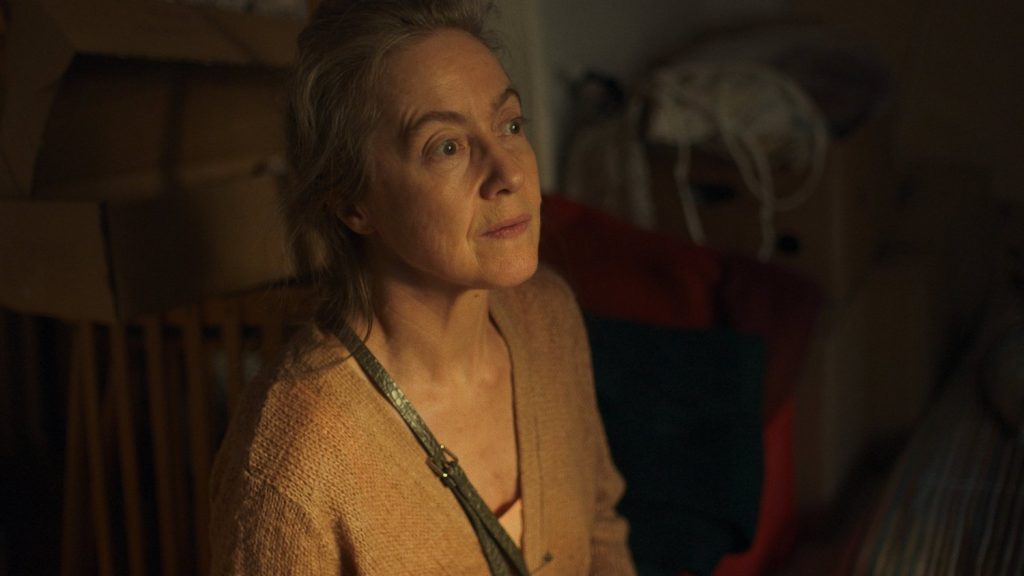
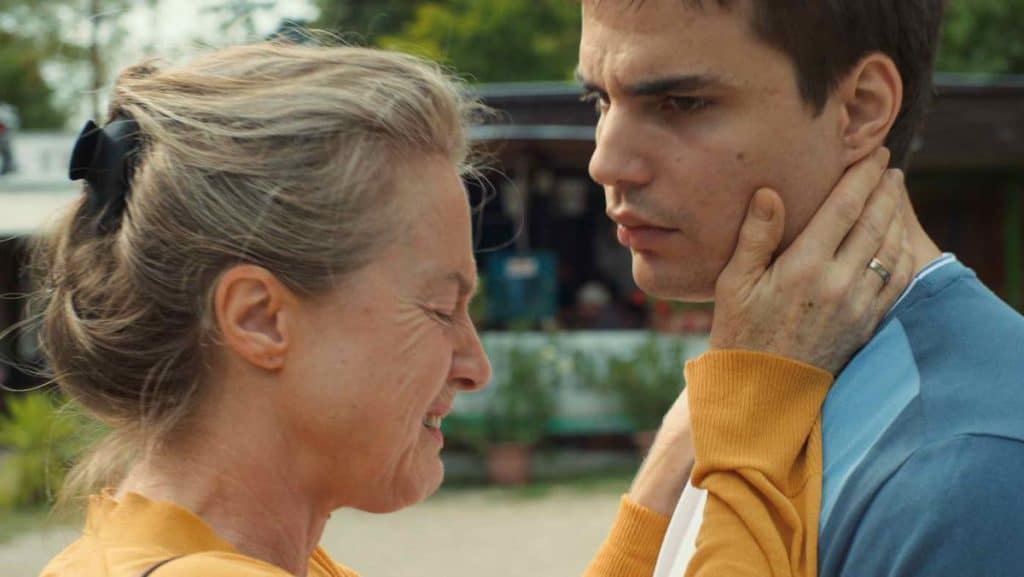
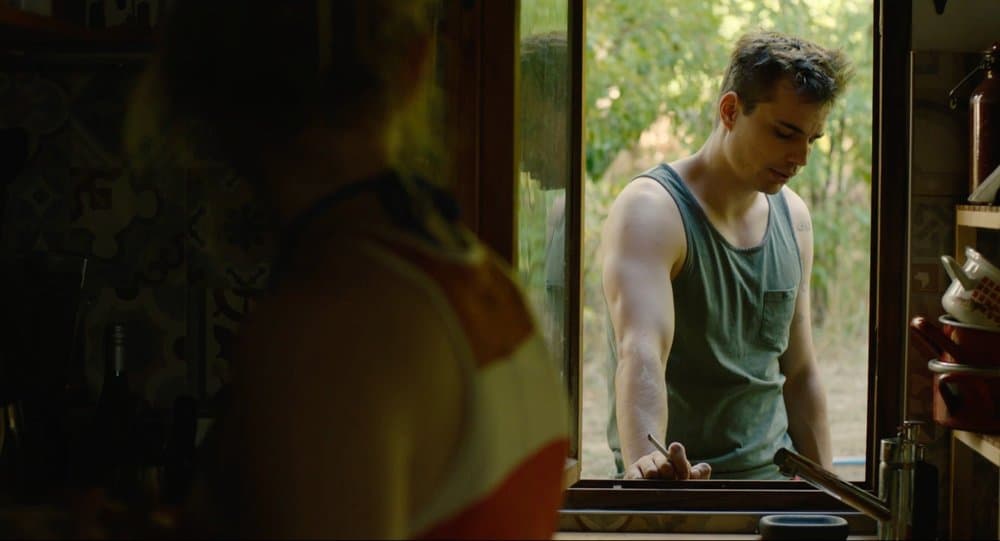
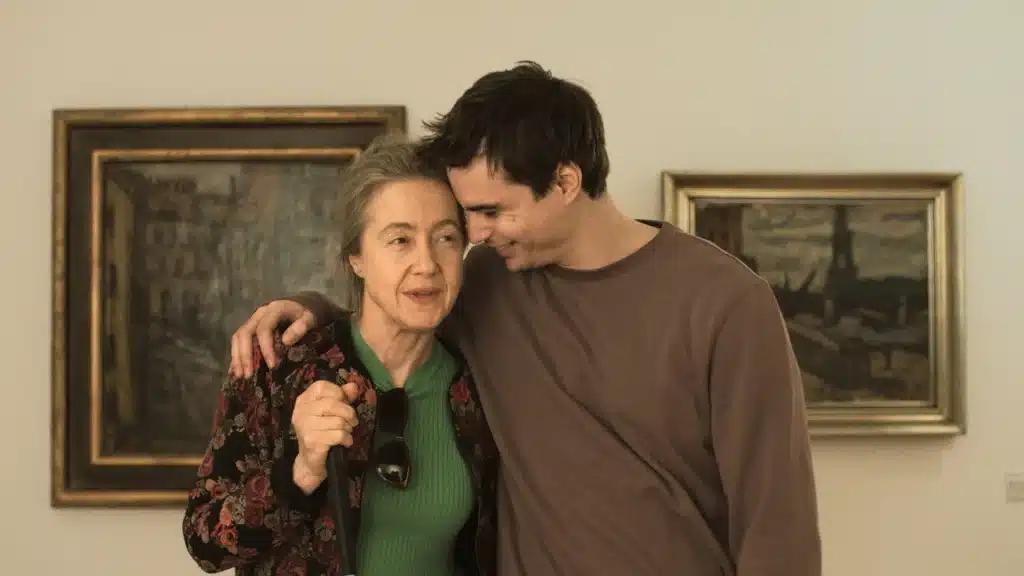
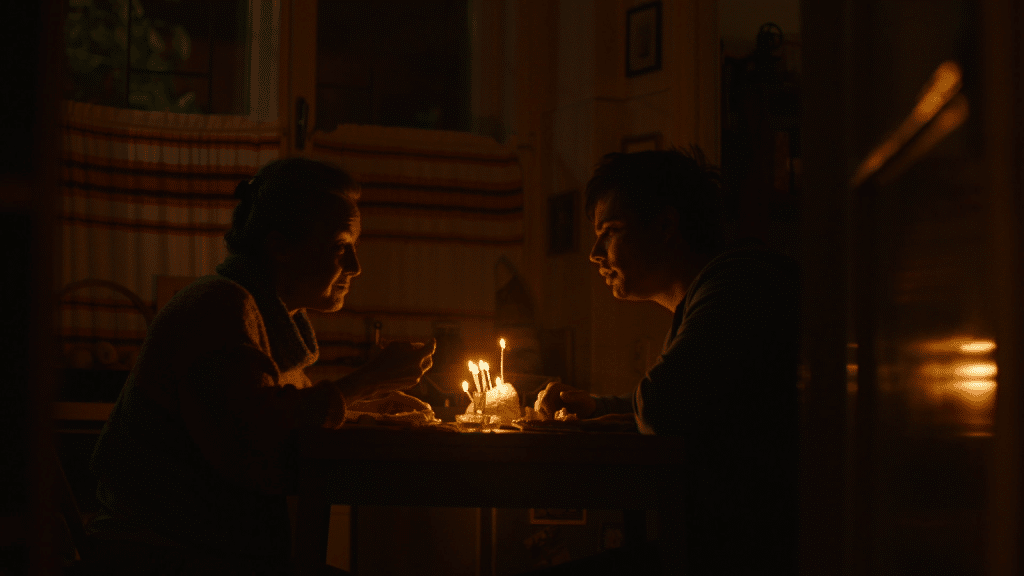
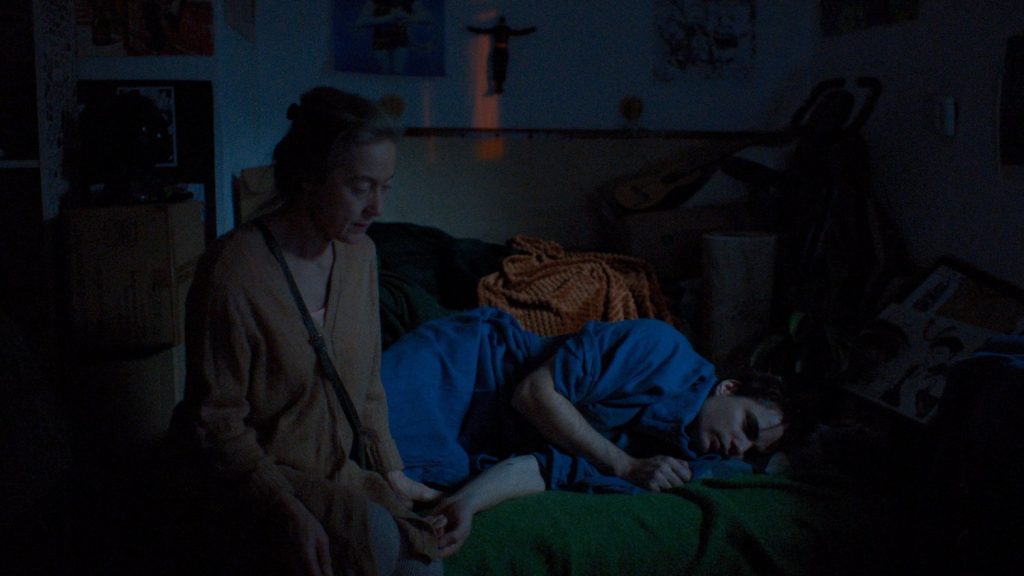
 Krisztina is a well-liked art history teacher who loses her sight as a complication of diabetes — and with it her life and her identity. She can no longer see her favourite paintings; she has to have them described to her, and she is afraid to walk down her own street. Her son Máté is twenty-seven and about to become a father: his wife, an animation director, has a once-only opportunity abroad. The mother clings harder and harder to her son, the son to his new family. The situation is unsolvable, and they try to solve it.
The film is openly personal. Mayer Bernadette was sixteen when her mother, who raised her alone, went blind; she submitted the project years ago to the Hungarian National Film Institute's Incubator scheme for first features, then under the working title The Light of My Eyes. In the final version the son is already grown and starting a family, which turns the story into one about the squeeze on the "sandwich generation". And it is probably the lived experience that keeps the film from wallowing in self-pity: the only weapon mother and son have against the trap they're in is humour, often cruel humour. The best scenes are the ones where they needle each other — mocking the jargon of art history, or landing the first jokes about the mother's blindness.
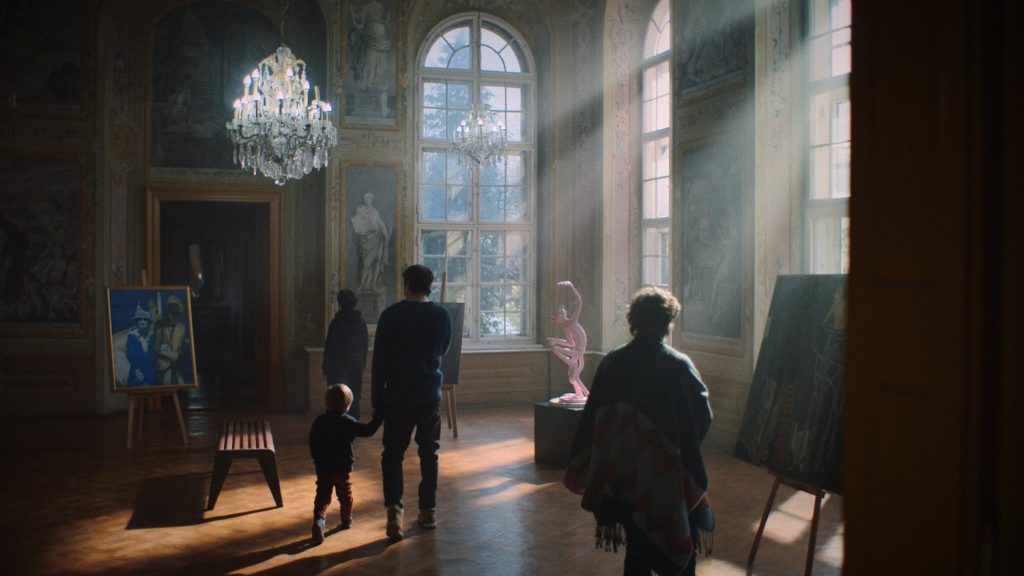
The film opens on an art history class, the teacher talking passionately about a painting while the students respond with morbid one-liners; that tone holds throughout. The recurring motif is István Farkas's painting Végzet (Fate): the shifts in Krisztina and Máté's relationship can be tracked through it, because both of them read its two strange figures according to whatever state they happen to be in. At one point the Kex song "Csillagok, ne ragyogjatok" comes in, whose line — "please, I am actually not myself" — might as well be coming straight out of Krisztina.
Anikó Für plays Krisztina and Benett Vilmányi plays Máté, with Andrea Waskovics, István Znamenák, Ildikó Hámori and Szabolcs Hajdu in support. Eszter Csepeli is the cinematographer; the director wrote the screenplay with Zoltán Nagy. The title also nods to Xavier Dolan's Mommy, another film about a suffocating mother-son bond, though Mayer doesn't reach for comparably showy formal devices.
The world premiere was in April 2026 in the Forward Future competition of the 16th Beijing International Film Festival, where the film won Best Film, Für won Best Actress and Vilmányi Best Actor. The Hungarian premiere came in early September at CineFest in Miskolc. Critics received it warmly: the Telex reviewer called it a memorable debut, singling out the way it defuses a heavy subject with morbid, deadpan humour. There were reservations — a few of the wilder swings land too bluntly — but there is agreement that the scenes between the two leads carry the film.