






A Place for Her
 Watch the trailer
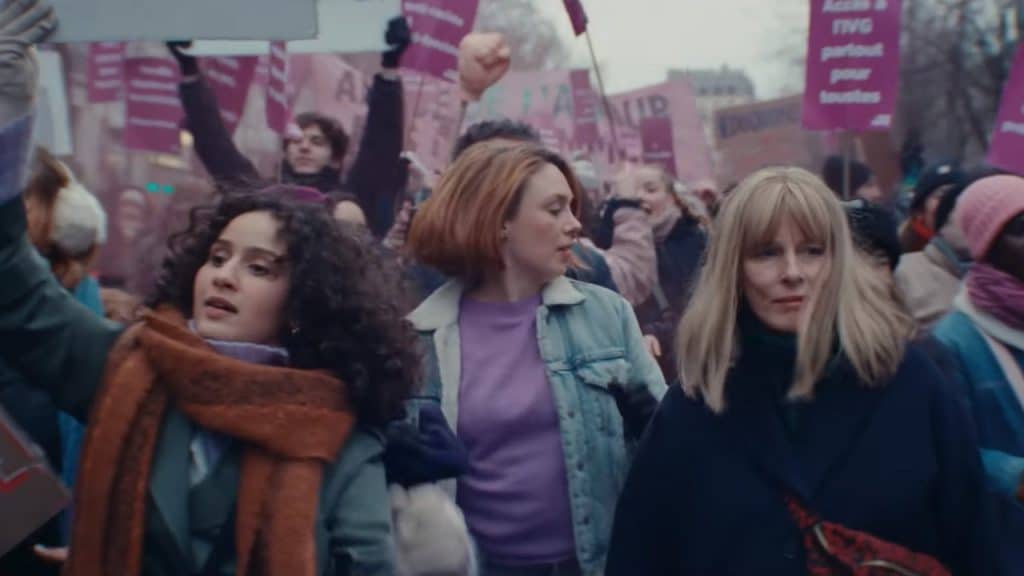
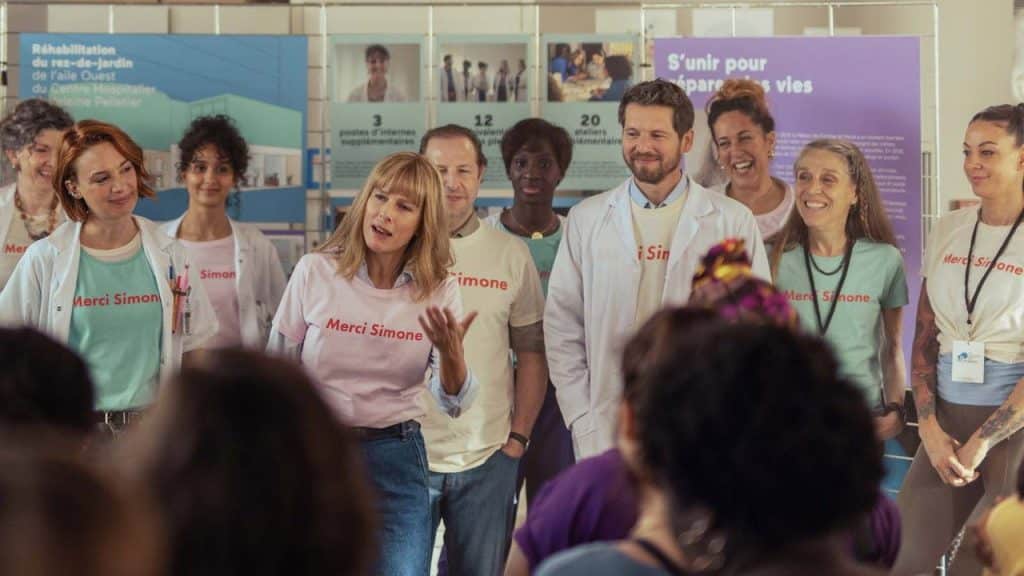
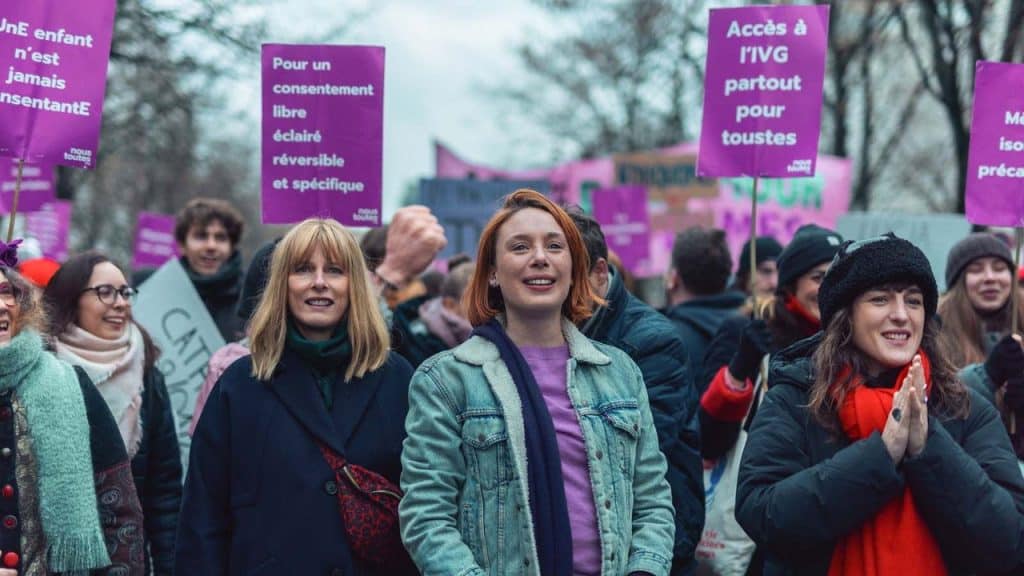
 The Maison des femmes is a Paris institution where women who have suffered violence come for help. Doctor Diane and her team — Manon, Inès, Awa and the others — receive them there, providing medical care, legal assistance, housing, help filing charges, and above all the experience of being believed. Rather than a single day, the film follows a longer stretch of time, and it is built not around one hero but around a team working together. The stakes are double: what becomes of the women who come through the door, and how long those who do this work can keep doing it.
The film's most important decision is what it does not show. The perpetrators remain off screen throughout, and the abuse itself never appears as a scene — the camera concerns itself solely with the consequences and with the slow, painstaking process of repair. That is what makes the film watchable on a subject that slides easily into voyeurism. The tone is accordingly not funereal: there is a great deal of humour among the colleagues, and the victories — charges successfully filed, a flat found — register as real joy.
A real institution stands behind the story. Ghada Hatem-Gantzer, a French-Lebanese obstetrician-gynaecologist, opened the first such centre in Saint-Denis in 2016, offering medical, legal and psychological care in one place to women who have been abused or subjected to genital mutilation. That same year Mélisa Godet heard Hatem on the radio talking about the newly opened house, and the subject would not let her go. Hatem was initially reluctant to become a fictional character; Godet won her over with a detailed treatment and then had her read several drafts of the screenplay. The characters on screen are invented, but the situations come from the house's real daily life.
Diane is played by Karin Viard, one of French cinema's most prolific and most decorated actresses, a César winner. Around her, Laetitia Dosch, Oulaya Amamra and Eye Haïdara form the core of the team, with Pierre Deladonchamps, Laurent Stocker, Aure Atika and the singer Juliette Armanet also appearing. The film is Mélisa Godet's first feature; it was shot by Fabien Faure, with music by Audrey Ismaël.
It had its world premiere at the Marrakech film festival, followed by its French release in March. At the Glasgow Film Festival it won the audience award in the competition for first and second features, and the French press likewise singled out its effect on audiences: this is a film that shows abused women not in the role of victims but in the process of getting back on their feet.