








Late Shift
 Watch the trailer
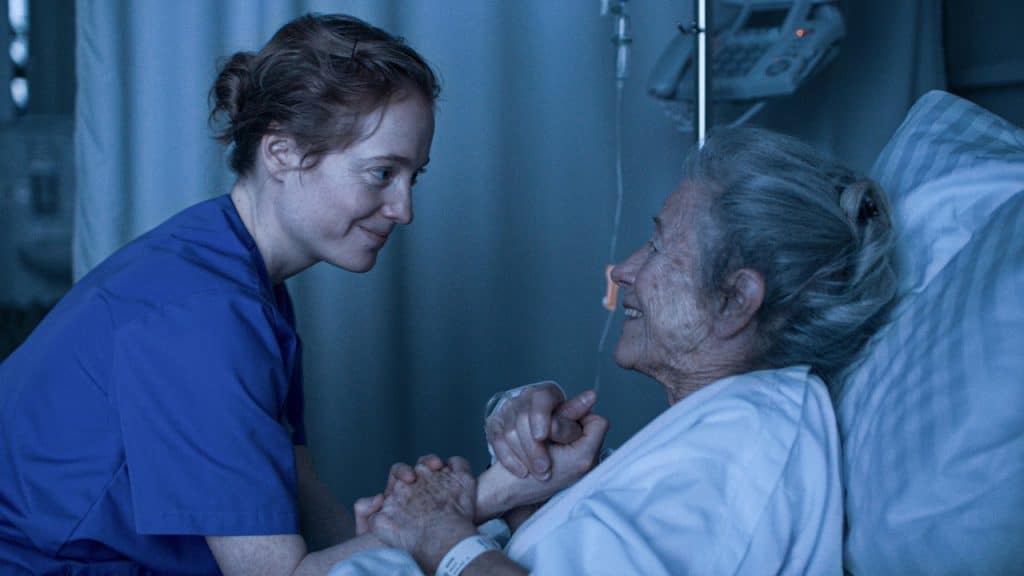
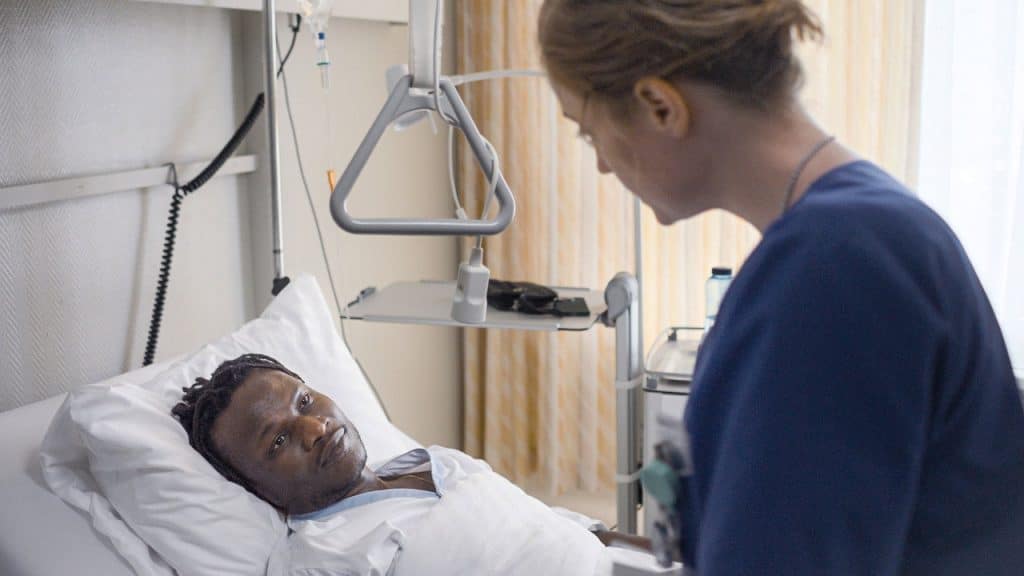
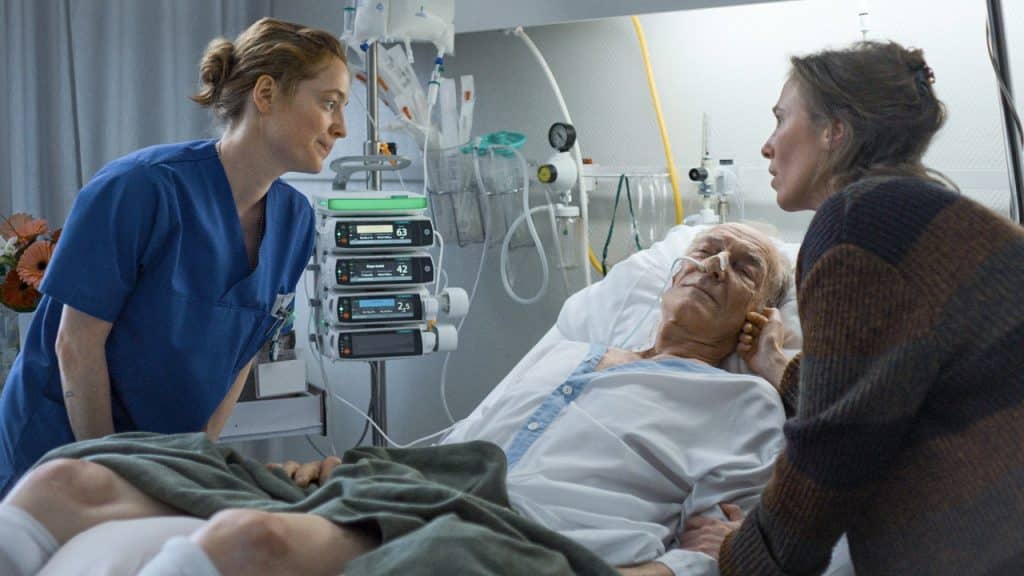
 Floria is a nurse on a hospital ward staffed by fewer people than the work requires. The film follows a single shift: handing out medication, answering call bells, talking to frightened patients, breaks that pass without coffee, and the way the day turns increasingly into a race against the clock. There is no great twist and no diagnosis drama. The tension comes from the constant sense that if one thing slips, there will be nobody spare to catch it.
The film was written and directed by Petra Biondina Volpe, who gained international recognition with The Divine Order in 2017: set in a Swiss village in 1971, where women organise for the right to vote, it was Switzerland's submission for the Academy Awards, won the audience award and the Nora Ephron Award at Tribeca, and drew more than three hundred and forty thousand viewers at home. The two films are far apart in subject, but the question is the same: what is the worth of work a society takes for granted. Volpe has called this one a love letter to every caregiver in the world. Its source is a nurse's book, Madeline Calvelage's Unser Beruf ist nicht das Problem: Es sind die Umstände — our profession isn't the problem, the circumstances are.
Leonie Benesch takes the lead, familiar to Hungarian audiences from The Teachers' Lounge. She prepared by working as an intern in a Swiss hospital, and critics have been unanimous on the result: her hands, her pace and her handling of patients are credible throughout. She won Best Actress at the Bavarian Film Awards for the role.
The film premiered in the Berlinale Special Gala section of the 75th Berlin International Film Festival, and several critics wrote that it belonged in the main competition. Much of the German press called it a long-overdue tribute to nursing work — while the critic of the Neue Zürcher Zeitung objected that the patients in the film are invented rather than ill. That the argument took this shape is itself a sign of where the film touched a nerve.
→ The film on IMDb