




Parallel Tales
 Watch the trailer
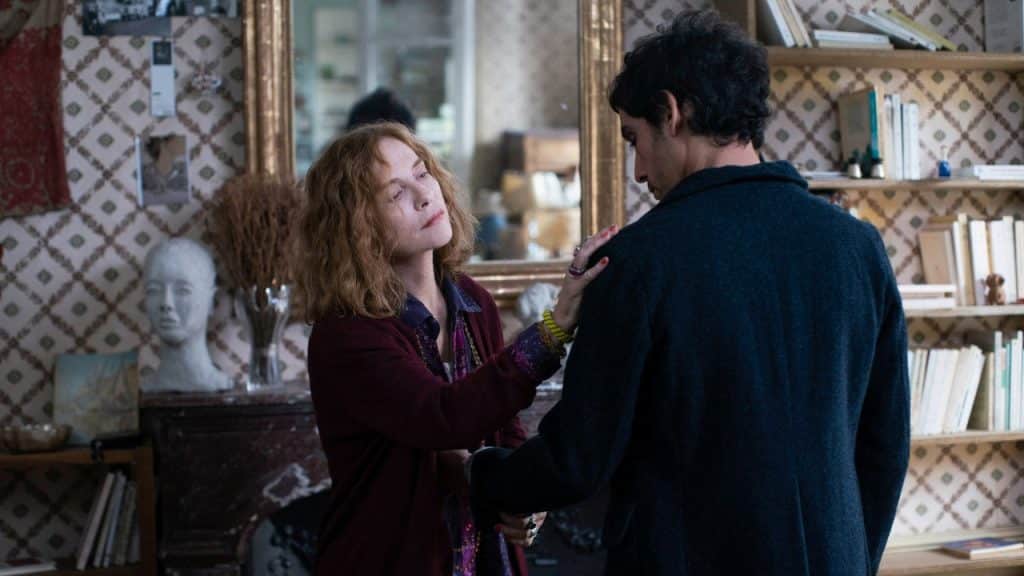
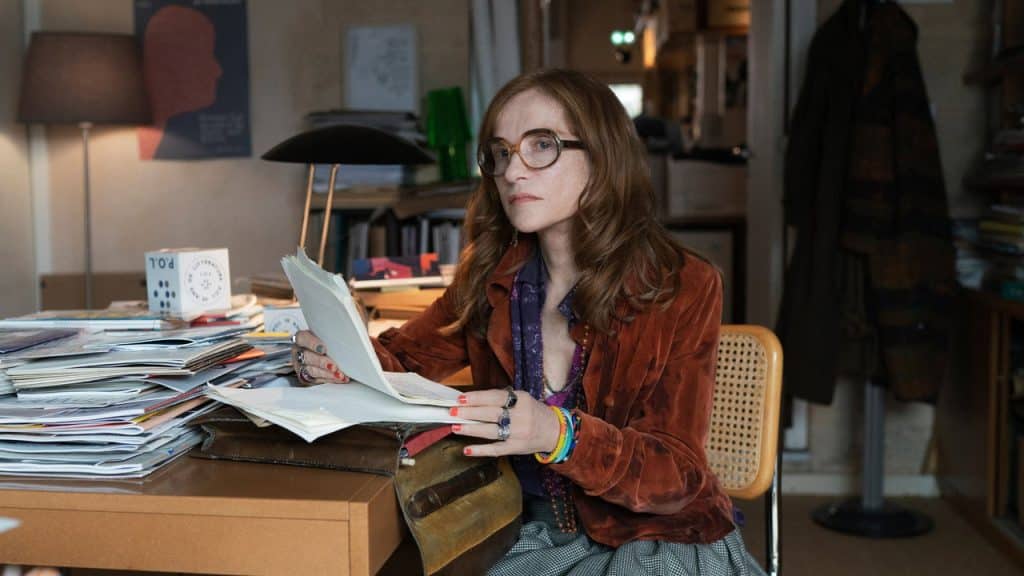
 Sylvie is an established novelist who is stuck on her next book. From her window she can see into the building opposite, and she begins watching the people who live there: a woman and two men she knows nothing about, and so invents. As time passes the watching becomes a novel, and the novel becomes a growing problem, particularly once Sylvie takes on an assistant, Adam. The film runs on two levels: what happens in the flat across the street, and what Sylvie writes about it — which is why the characters carry two names each.
The film is based on the sixth part of Krzysztof Kieślowski's Dekalog, the same material that became A Short Film About Love, whose protagonist is a young man watching a woman in the building opposite through a telescope. Farhadi has therefore transplanted a nearly forty-year-old Polish screenplay into present-day Paris. The score is by Zbigniew Preisner— Kieślowski's regular composer, who wrote the music for Dekalog and the Three Colours trilogy. The adaptation is part of a larger undertaking: all ten episodes of Dekalog are being made into separate international films by different directors.
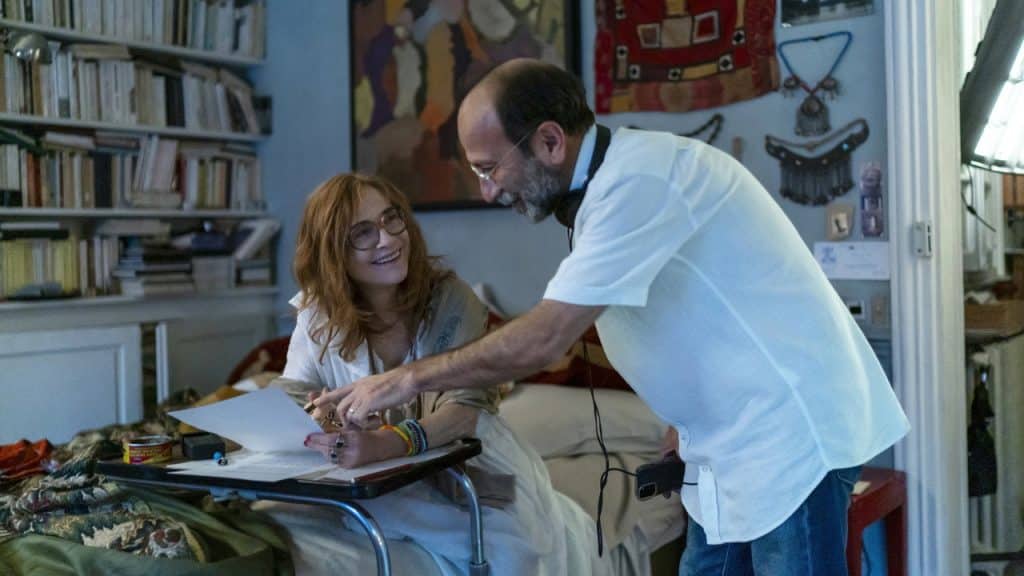
Asghar Farhadi is the best-known living Iranian filmmaker, and this is his tenth feature. He has won two Academy Awards for Best International Feature, for A Separation and The Salesman, and A Hero won the Grand Prix of the jury at Cannes. Parallel Tales is his second French-language film after The Past in 2013; his regular collaborator Hayedeh Safiyari edited it again, with Guillaume Deffontaines as cinematographer.
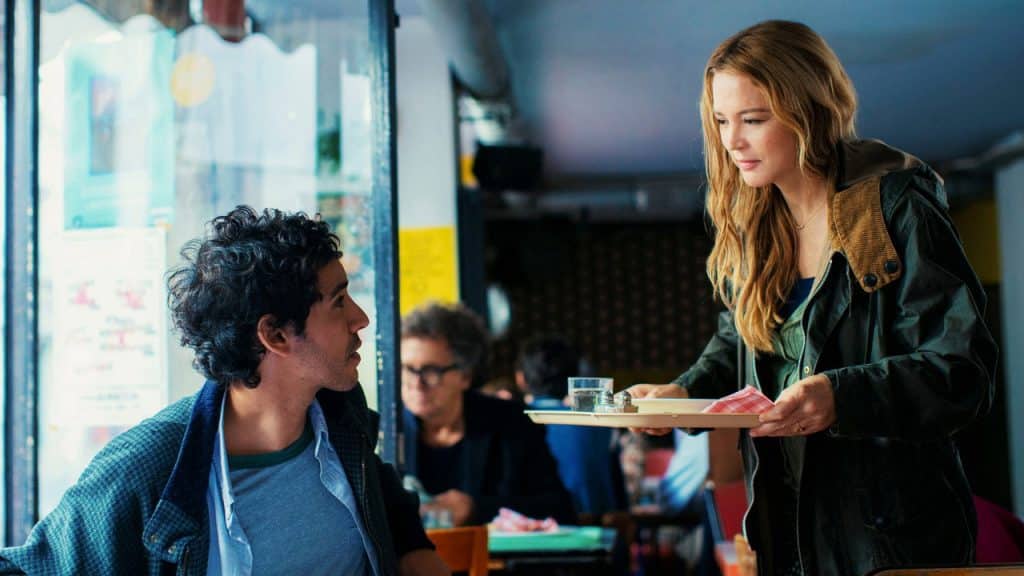
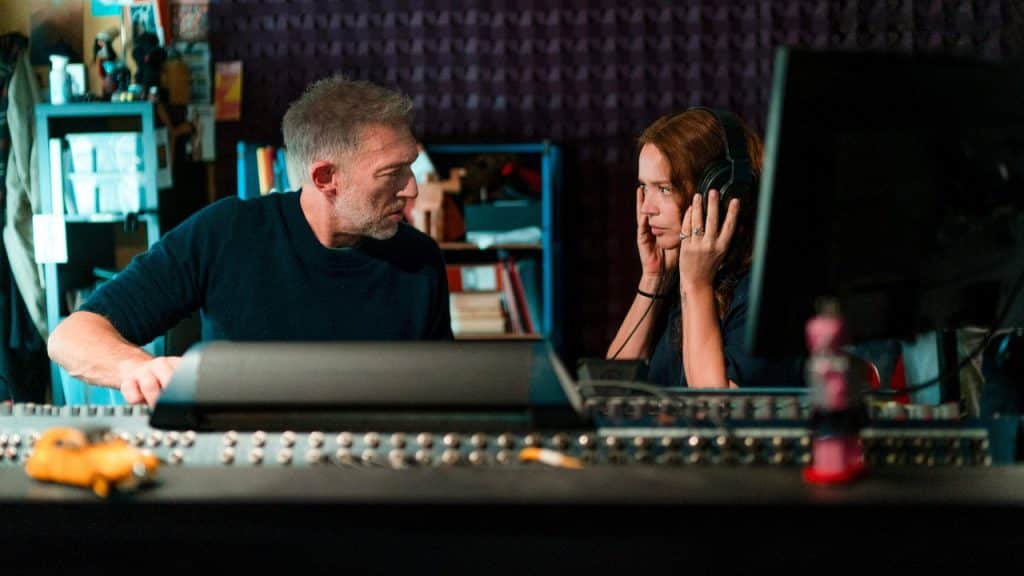
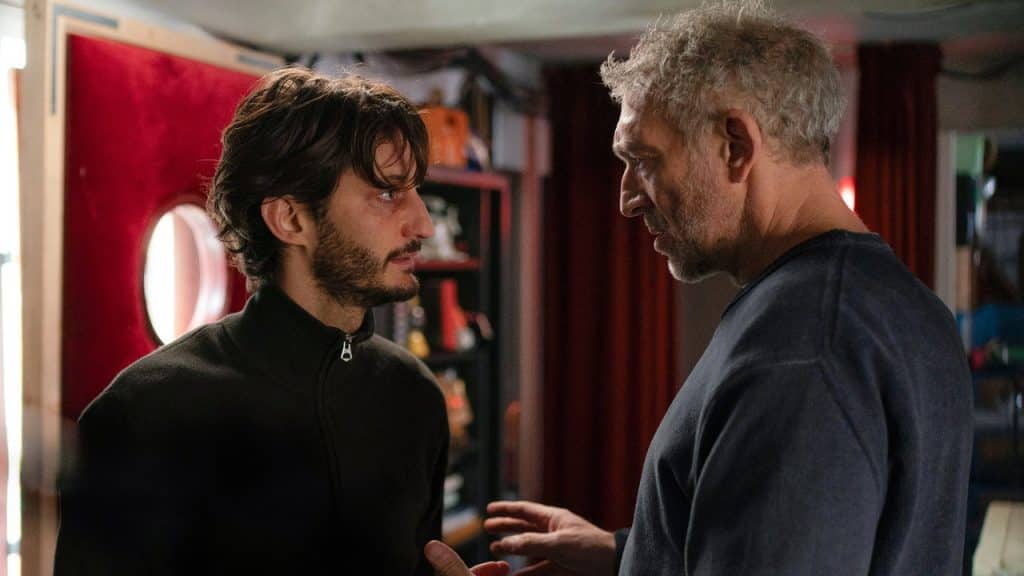
The cast is the front rank of French cinema. Sylvie is played by Isabelle Huppert, the three figures in the flat opposite by Virginie Efira, Vincent Cassel and Pierre Niney, and the assistant by Adam Bessa. Catherine Deneuve appears as the novelist's editor.
The film premiered in the main competition of the 79th Cannes Film Festival, where its reception was divided: most international critics wrote about it with disappointment, and fewer than a fifth of reviews on Rotten Tomatoes are positive. The most common objection is that the interplay of reality and fiction remains a structural conceit rather than a genuine stake. For anyone who admires Farhadi's previous work, this is in any case a film worth forming one's own view on — the combination of this director, this cast and this Kieślowski inheritance does not come along often.
→ The film on IMDb