




De Gaulle: Résistance
 Watch the trailer
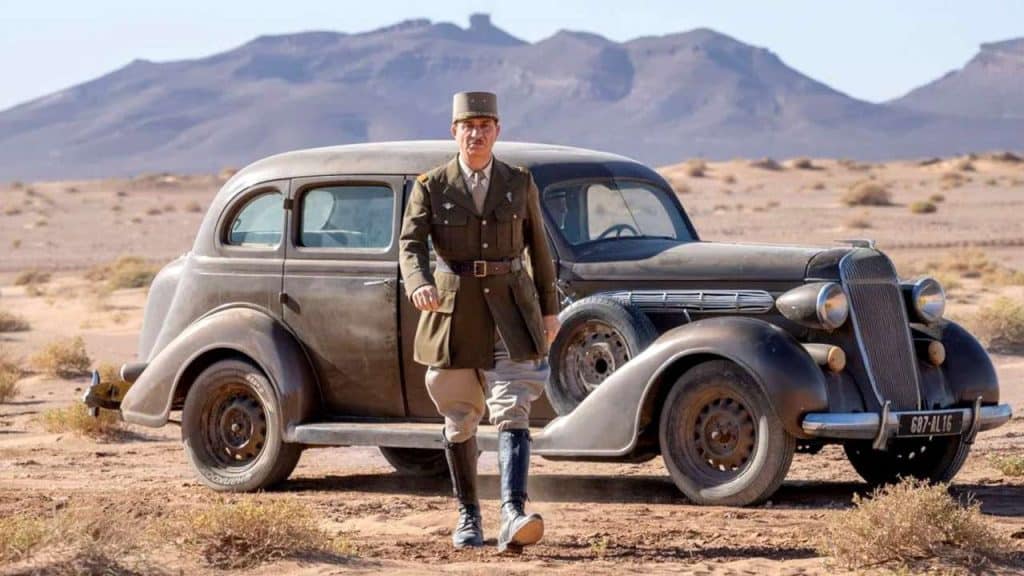
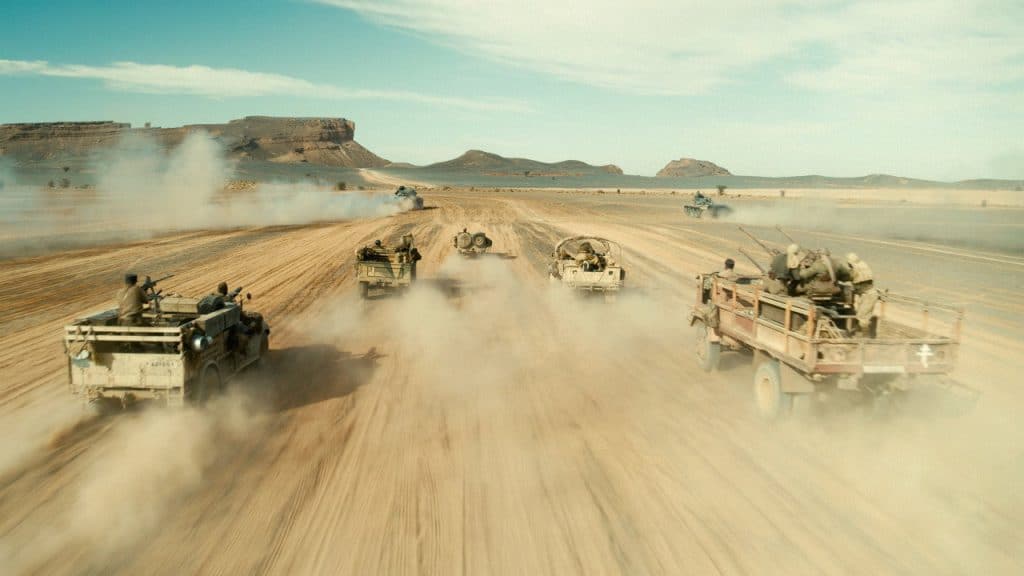
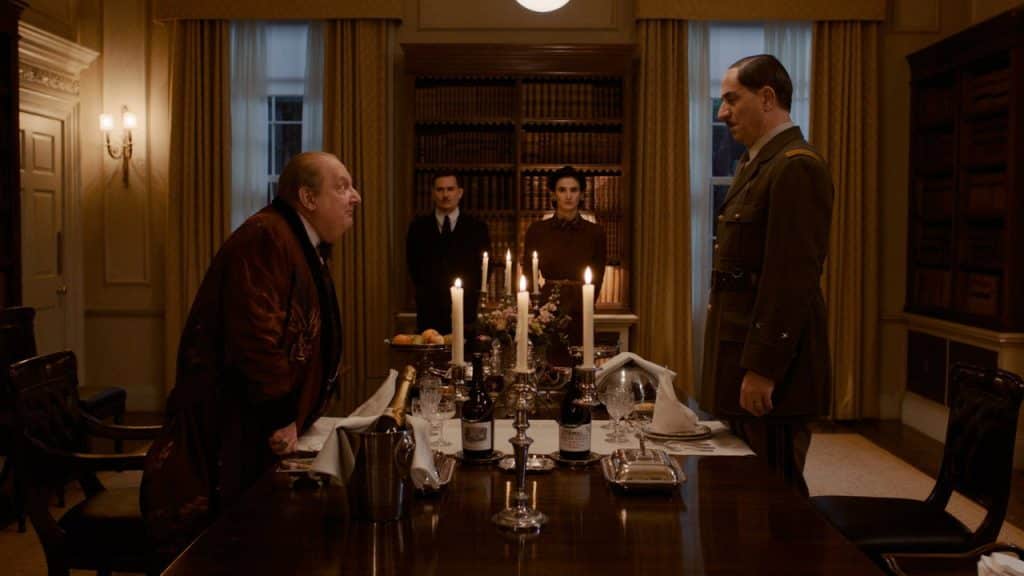
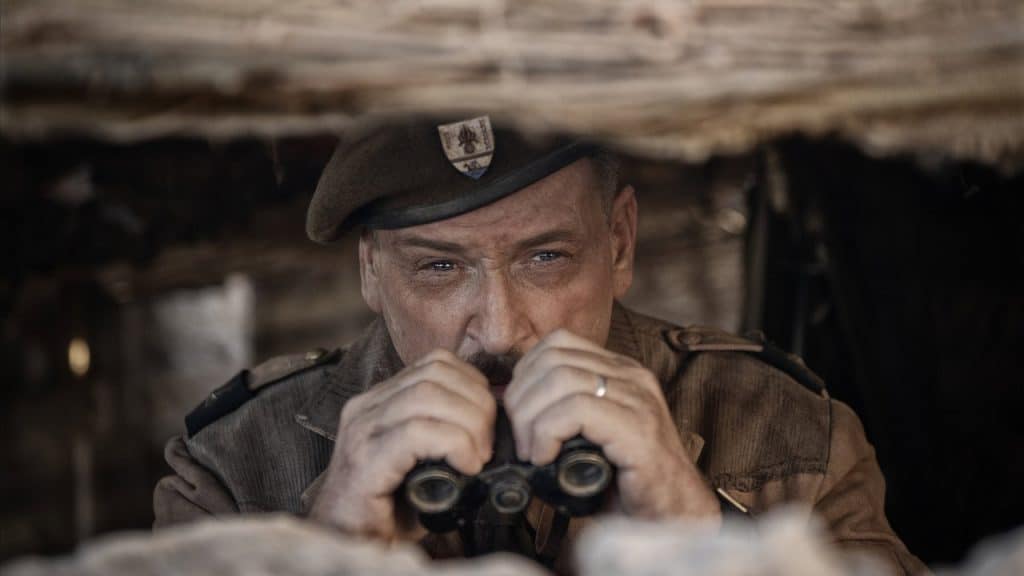
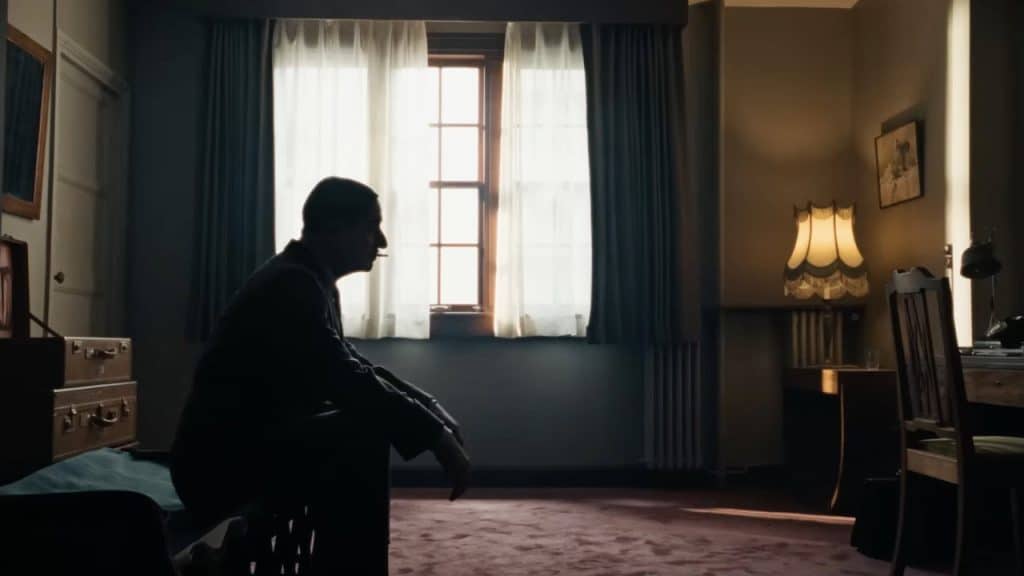
 France collapses in June 1940 and signs an armistice with Nazi Germany. Charles de Gaulle, a then barely known general, refuses to accept the decision: he goes to London, where he has no army, no government, no money and no mandate behind him — only a microphone and the claim that the war is not over and that France is not lost. The film follows the two years that come next, from 1940 to 1942: the period in which de Gaulle first had to convince his allies that he represented anyone at all, and only then his own countrymen.
The director’s background here is more than a curiosity. Antonin Baudry was a career diplomat: he worked for years at the French foreign ministry as Dominique de Villepin’s speechwriter, and later became cultural counsellor at the French embassy in Washington. He wrote up that experience as a comic under the name Abel Lanzac — Quai d’Orsay, a satire of the ministry’s inner workings, which won the best album prize at the Angoulême comics festival in 2013; only then did Baudry reveal that he was the author. So a story in which the principal weapon is a radio address has been filmed by a man who wrote speeches professionally, for other people’s mouths. His previous film as director was the submarine thriller The Wolf’s Call.
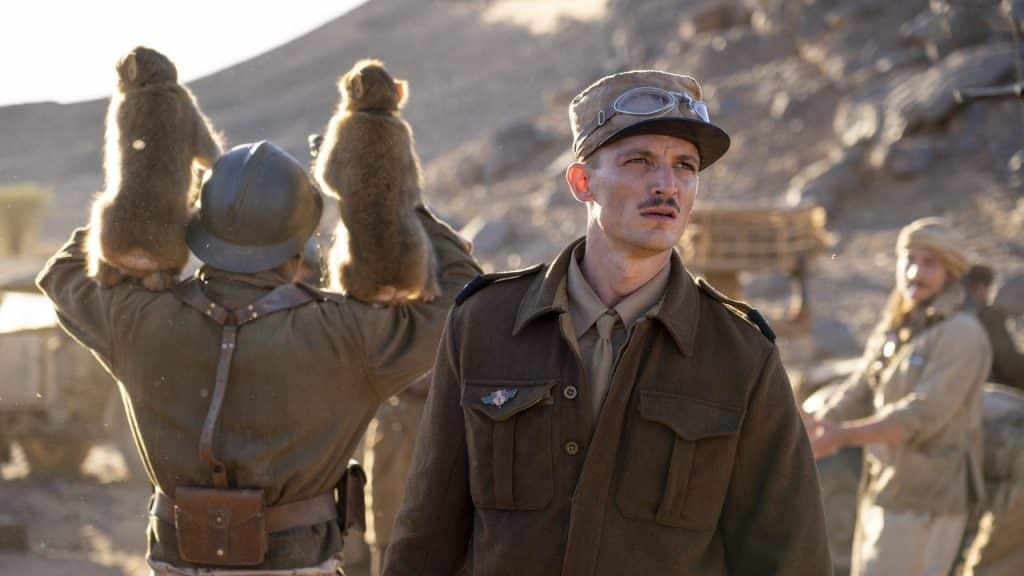
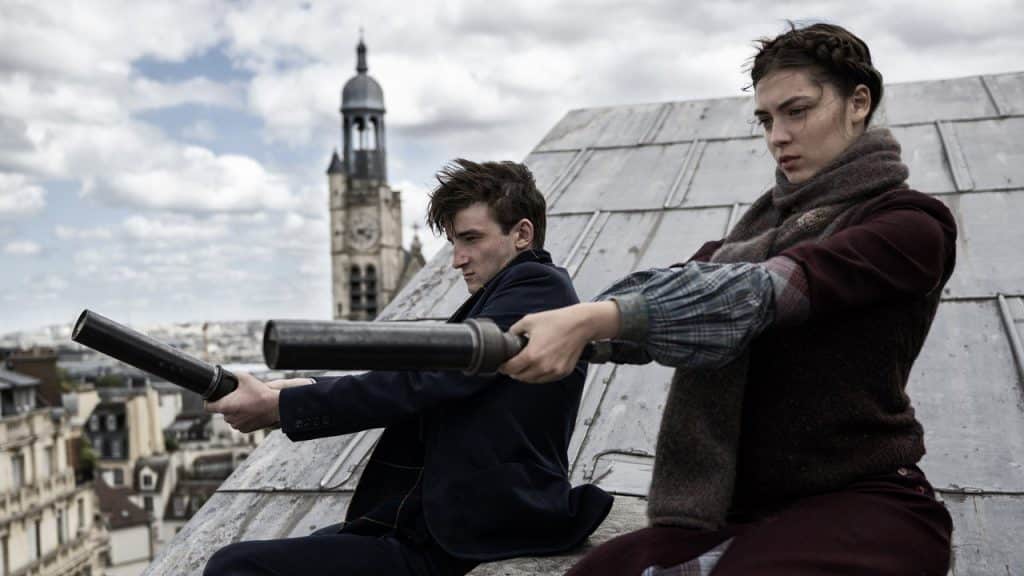
Simon Abkarian plays de Gaulle — not the obvious choice but a French-Armenian character actor, and the film partly lives off that. Churchill is played by one of the great figures of the British stage, Simon Russell Beale, with Mathieu Kassovitz (François Darlan), Benoît Magimel (Pierre Koenig), Niels Schneider (General Leclerc), Félix Kysyl (Jean Moulin), Anamaria Vartolomei, Karim Leklou and Tom Mison (Anthony Eden) in further roles.
The screenplay is based on the British historian Julian Jackson’s major de Gaulle biography, De Gaulle: A Certain Idea of France — so the film starts not from an internal national legend but from an outside, Anglophone work of history, and Jackson is credited as a co-writer of the screenplay. The score is by Volker Bertelmann, the Oscar-winning composer of All Quiet on the Western Front. This is the first half of a two-part undertaking; the sequel, J’écris ton nom, reached French cinemas three weeks later.
The film premiered out of competition at the 2026 Cannes Film Festival, then opened in French cinemas in June, where it became one of the year’s biggest popular successes, with over three million admissions on a budget of close to forty million euros. Variety compared it to the classic Hollywood blockbusters.
→ The film on IMDb