




Manufacturing Ignorance
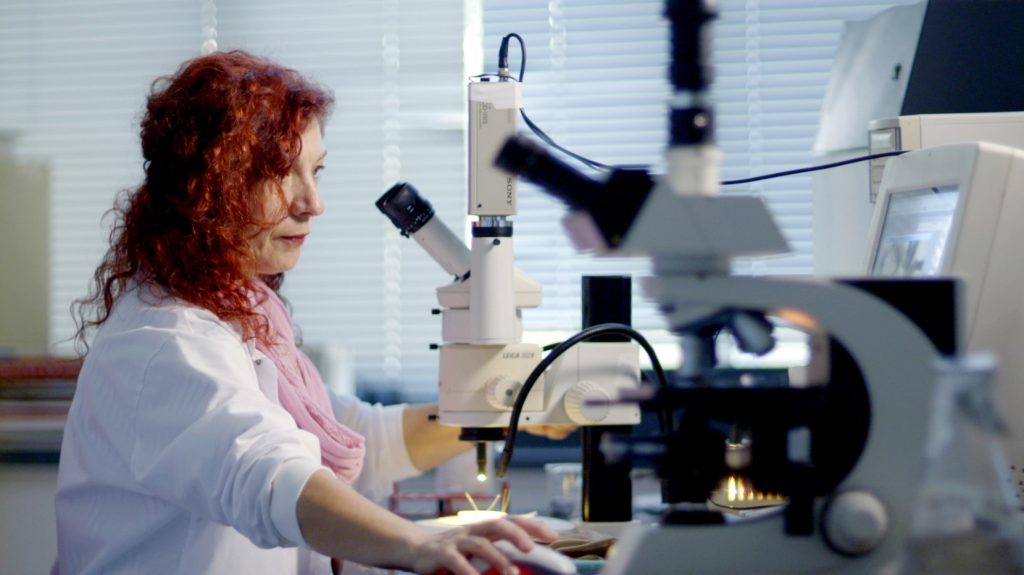
What do we do when science is deliberately used to mislead? This is the question pursued by Manufacturing Ignorance(La fabrique de l'ignorance), Franck Cuveillier and Pascal Vasselin's 2021 French documentary, which speaks openly about a phenomenon now central to a growing number of industrial actors' strategies: manipulating research in order to delay the spread of knowledge on certain subjects.
The film walks through several textbook cases. Why did it take decades to officially acknowledge that smoking is harmful to health? How is it that a significant share of the population still believes human activity has no impact on climate change? Are neonicotinoid pesticides really responsible for the mass die-off of bees — or has this, too, been successfully muddied into a question? And why did the official recognition of bisphenol A as an endocrine disruptor result in nothing more than a few timid bans? Behind such cases lie carefully designed campaigns, funded by millions of dollars and euros, stretching from laboratories to social media — a little-known offensive spanning Europe and the United States, already underway by the 1950s.
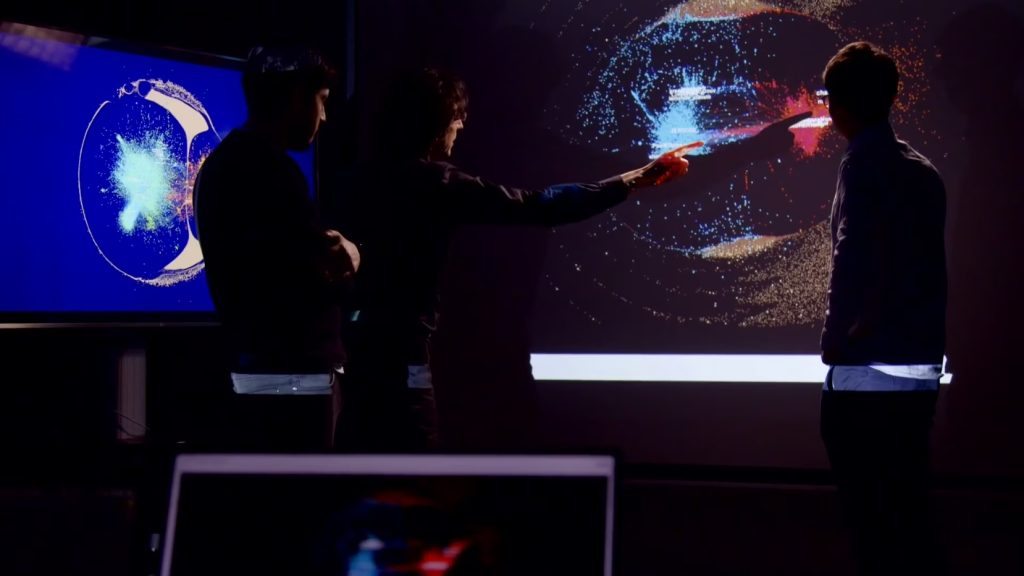
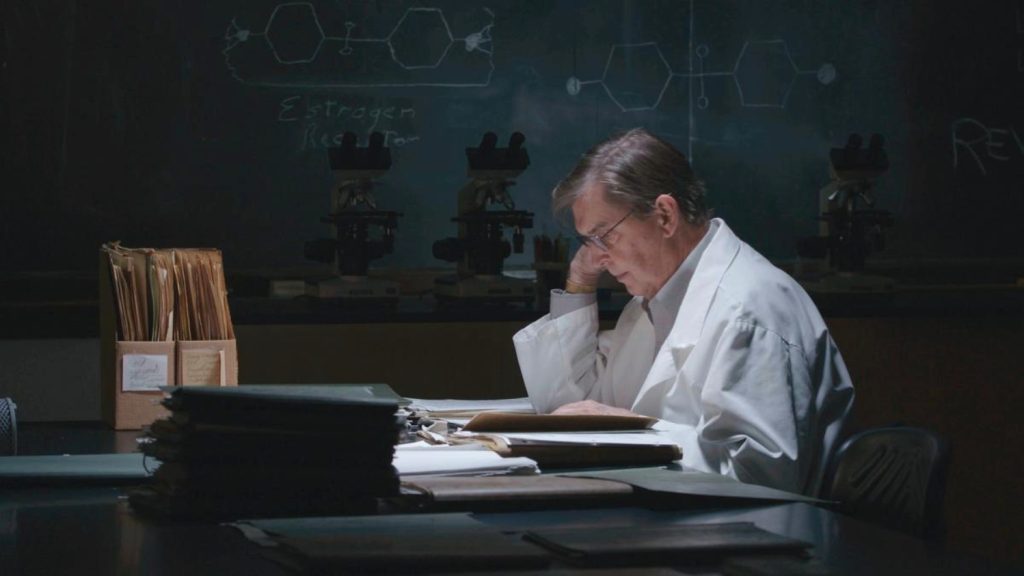
Manufacturing Ignorance draws on declassified archival documents, graphic animations, and testimonies from experts, lobbyists, and politicians. Guided by philosophers, economists, cognitive scientists, politicians, and agnotologists, it dismantles the mechanisms by which doubt is manufactured — through the lens of a peculiar discipline, agnotology ("the science of ignorance"), which studies precisely this: how non-knowledge can be strategically produced, and why disinformation dressed in scientific clothing is so effective.
The screening on May 27 will be followed by a conversation with Mathias Girel, philosopher and one of the experts featured in the film. Girel is associate professor at the École normale supérieure (ENS-PSL) and director of Caphés in Paris (Centre d'archives en philosophie, histoire et édition des sciences). He has been a leading expert on the "production of ignorance" for years: he edited the French edition of Robert Proctor's monumental tobacco-industry exposé Golden Holocaust, and his own book, Science et territoires de l'ignorance — praised by the CNRS journal as "a book of public utility" — examines precisely that "grey zone" where it is not always easy to separate honest science from strategic disinformation. The conversation will be moderated by Laura Lukács in English (she speaks French, English, and Hungarian); questions in Hungarian, however, are warmly welcomed.
The screening is part of the French Institute in Hungary's two-week media literacy programme, which also includes training sessions, workshops, a round-table discussion, an exhibition, and further film screenings — both in Budapest and Pécs. The full programme is available on the French Institute's website. The Pécs screening is presented in partnership with Alliance Française de Pécs.
The film has Hungarian and English subtitles. Tickets: 1200 HUF / 1000 HUF (students and Alliance Française members).
→ The film on IMDb